Vigilant Eyes: The Critical Role of Penetration Imaging Systems in Monitoring and Reconnaissance for Illegal Activities within High-Rise Financial Hubs**
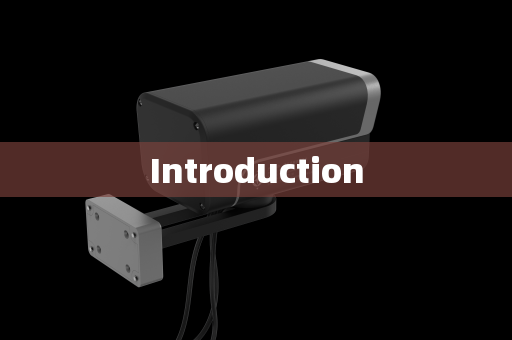
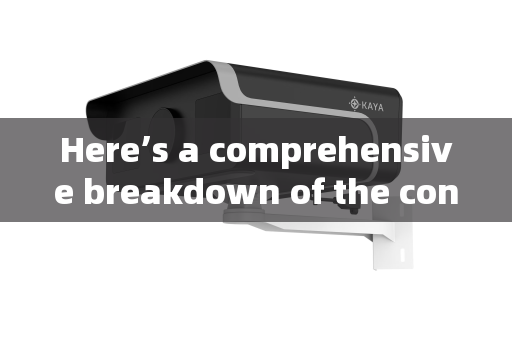
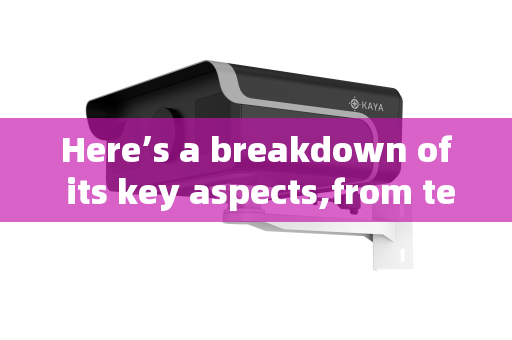
Penetration Imager Effect Images
The soaring glass and steel canyons of global financial districts are symbols of economic power, yet their very design—featuring extensive glass facades, complex internal layouts, and restricted access zones—presents unique challenges for security and law enforcement. Monitoring these edifices for illicit activities such as insider trading operations, unauthorized data exfiltration, clandestine meetings, or the planning of financial crimes demands advanced technological solutions capable of overcoming visual barriers. The penetration imaging system, leveraging cutting-edge Laser Range-Gated (LRG) imaging technology, has emerged as a pivotal tool in the operational arsenal for surveillance and reconnaissance in these sensitive environments.
Understanding Penetration Imaging Technology
At its core, a penetration imaging system is designed to "see through" visual obstructions that typically defeat conventional cameras and optical devices. It innovatively integrates a high-repetition-rate pulsed laser with a gated image-intensifier camera. The system operates by emitting nanosecond-duration laser pulses toward a target area. The gated camera, synchronized with pinpoint temporal accuracy (better than 10 picoseconds), opens its ultra-fast optical shutter (less than 3ns) only for the precise moment when the laser light reflected from a specific "slice" of space returns. By progressively delaying this shutter timing, the system scans through different range layers, stacking the images to construct a clear, high-contrast visual of the target scene.
This methodology grants the system exceptional capabilities: long-range imaging, high distance resolution, formidable resistance to back-scatter from intervening media, and robust performance against active interference. Its defining utility lies in its ability to perform stand-off, non-invasive penetration of various glazing types—car windows, curtain walls (ubiquitous in financial towers), specialty glass, and aircraft portals—as well as to maintain clarity through obscurants like smoke, fog, haze, rain, snow, and even flames. Comprising a pulsed laser, a gated/intensified camera (with a Microchannel Plate (MCP) intensifier, high-voltage and timing modules), beam expander, and imaging lens, the system achieves over 10^6 optical gain, enabling operation in extreme low-light or pitch-dark conditions and facilitating high-precision 3D data acquisition.
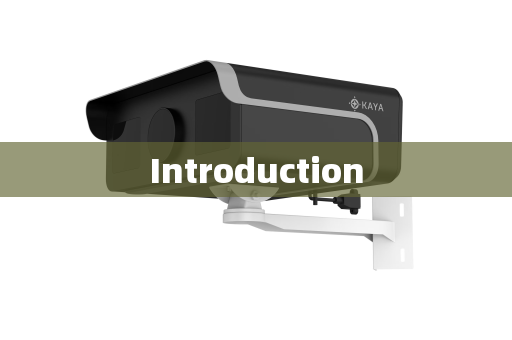
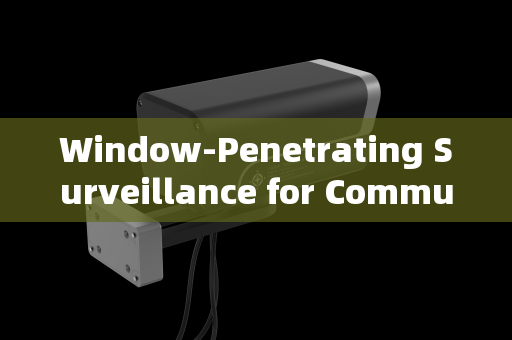
Penetration Imager Effect Images
Application in Monitoring High-Rise Financial Buildings
Financial high-rises are potential hotspots for sophisticated illegal activities. Traditional external surveillance is often thwarted by reflective or tinted glass, while physical intrusion for internal reconnaissance is rarely feasible without compromising an operation. Penetration imaging systems address this gap directly:
-
Covert External Reconnaissance: From a concealed position in a neighboring building or ground vehicle, operatives can employ these systems to conduct long-range surveillance through the exterior windows or curtain walls of financial offices. This allows for the monitoring of activities in perimeter offices, conference rooms, or trading floors without alerting occupants. It can reveal unauthorized after-hours access, the inspection of sensitive physical documents, or unusual gatherings.
-
Counter-Surveillance and Forensic Investigation: Following suspected illicit meetings or internal security breaches, these systems can be used retrospectively (if conditions allow) or proactively to scan for hidden surveillance devices placed behind windows looking into the building. They can also aid in forensic scenarios by capturing details of a room's interior post-incident through its windows, preserving a scene without immediate entry.
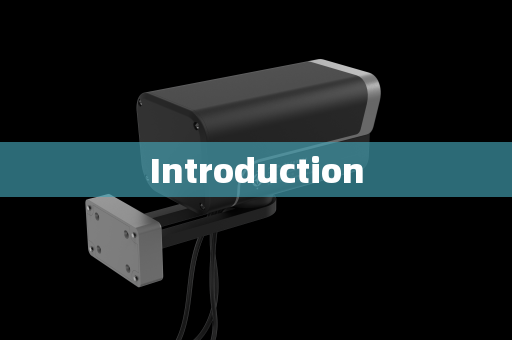
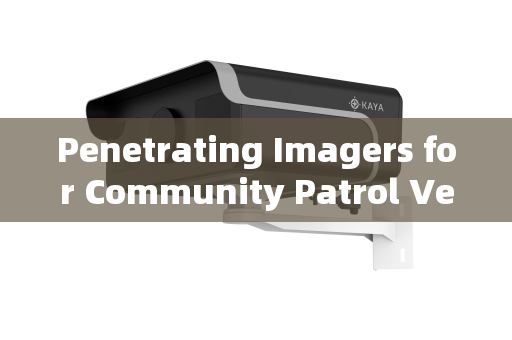
Penetration Imager Effect Images
-
Penetrating Interior Obstructions: Within the building's service areas or during secure operations, the technology can peer through secondary layers like internal glass partitions or smoke during a deliberately set distraction fire, providing tactical awareness to intervention teams.
-
Anomaly Detection in Vehicular Approaches: Monitoring the vehicle drop-off points, underground parking entrances, or adjacent streets, these systems can discretely penetrate the windows of vehicles to detect concealed weapons, bundled currency, or nervous behavior linked to couriering illegal materials or proceeds.
Broader Operational Context and Synergy
The value of penetration imaging extends beyond the financial sector, underscoring its robustness and versatility:
- Emergency Response: In firefighting scenarios for such high-rises, it allows commanders to see through smoke and flame to locate trapped individuals, assess structural integrity, and guide rescue teams, directly enhancing operational efficiency and firefighter safety.
- Law Enforcement & Military Operations: Its applications in counter-terrorism, VIP protection around financial centers, narcotics interdiction, clandestine tracking, and evidence collection are directly transferable to the high-stakes protection of financial infrastructure and personnel.
- Coastal & Border Security: The technology's ability to image through fog and glare supports the monitoring of maritime approaches to cities with major financial coastal districts, preventing illicit seaborne activities that could be linked to financial crimes.
Conclusion
In the relentless pursuit of security within the world's financial nerve centers, the penetration imaging system acts as a force multiplier for intelligence and law enforcement agencies. By mastering the physics of light and time, it effectively renders traditional visual barriers such as glass and environmental clutter transparent to the observer. This capability provides a critical, non-intrusive method for monitoring, reconnaissance, and evidence gathering against a spectrum of illegal activities orchestrated within high-rise financial buildings. As part of integrated "Smart City" and "Smart Policing" initiatives, it represents a significant leap forward in maintaining the integrity of global financial systems through advanced, perceptive surveillance.