Enhancing Security in Crowded Spaces: The Critical Role of Penetration Imaging Systems in Counter-Terrorism Inspections In today’s global security landscape, crowded places—such as transportation hubs, stadiums, shopping centers, and urban landmarks—remain prime targets for terrorist threats. Protecting these environments demands advanced technological solutions that can detect concealed dangers quickly, accurately, and discreetly. Among the most innovative tools emerging in the field of security and counter-terrorism is the penetration imaging system. Leveraging cutting-edge Laser Range-Gated Imaging (LRGI) technology**, this system represents a significant leap forward in surveillance and inspection capabilities, particularly in dense, dynamic, or visually obstructed settings.
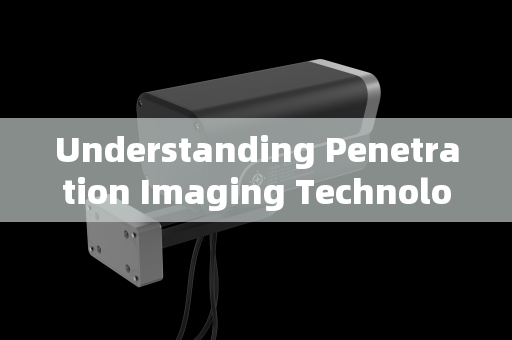
Penetration Imager Effect Images
A penetration imaging system operates on the principle of time-sliced laser illumination and synchronized gated detection. It integrates a high-repetition-rate pulsed laser with an intensified gated camera. By precisely controlling the time delay between laser pulses and the camera’s shutter, the system captures reflected light from specific distance slices, effectively “stacking” these slices to reconstruct a clear image. This method allows it to isolate targets from background noise and overcome visual barriers.
Key technical features include:
- Extended imaging range and high distance resolution
- Strong resistance to backscatter from obscurants such as smoke, fog, rain, snow, and haze
- Extreme environmental adaptability, functioning in low-light or no-light conditions
- The ability to penetrate various glass types—car windows, building facades, train glass, aircraft windows—without physical contact
- Capability for underwater imaging
- Components typically include a pulsed laser, a gated intensified camera (with Microchannel Plate (MCP) image intensifier, high-voltage module, timing control, and gating electronics), beam expander, and imaging lens. The camera can achieve over 10⁶ optical gain, shutter speeds below 3 nanoseconds, and timing synchronization precision better than 10 picoseconds, enabling high-accuracy 3D data acquisition.
Role in Counter-Terrorism Inspections at Crowded Venues
In crowded public spaces, conventional inspection methods—physical checks, metal detectors, X-ray scanners—can cause bottlenecks, inconvenience, and potential security gaps. Penetration imaging systems address these challenges by providing standoff, non-invasive surveillance with exceptional clarity through visual obstacles.
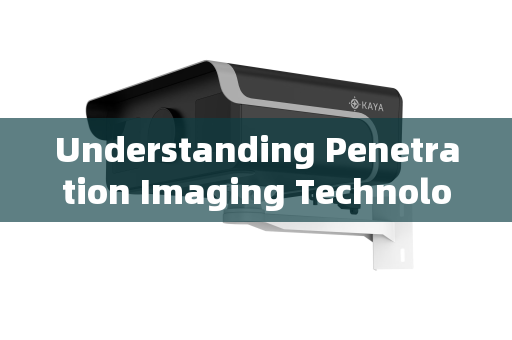
Penetration Imager Effect Images
-
Vehicle and Conveyance Screening At entrances to airports, train stations, or major events, vehicles may be used to conceal weapons, explosives, or individuals. A penetration imaging system can scan cars, buses, or trucks from a distance, seeing through windows and tinted glass to identify suspicious objects or occupants without slowing traffic or alerting suspects. This is invaluable for securing perimeters and preventing vehicle-borne threats.
-
Building and Infrastructure Reconnaissance Glass-fronted buildings, underground stations, or complex structures can harbor threats in blind spots. Security personnel can use these systems to look through windows, glass doors, or curtain walls from a safe standoff position, detecting unauthorized persons, hazardous materials, or unusual activities inside—without breaching the structure.
-
Operation in Adverse Conditions Crowded venues often face challenging weather or environmental conditions. Whether it’s heavy rain, fog, smoke from an incident, or darkness, penetration imaging maintains performance where conventional optics fail. This ensures continuous monitoring during emergencies, festivals, or night-time operations.
-
Covert Surveillance and Evidence Gathering In anti-terrorism operations, discreet monitoring is crucial. The system’s ability to work in low light and penetrate obstacles allows law enforcement to conduct hidden observation of suspected individuals or groups in crowded areas, gathering intelligence or evidence without exposing officers or causing public alarm.
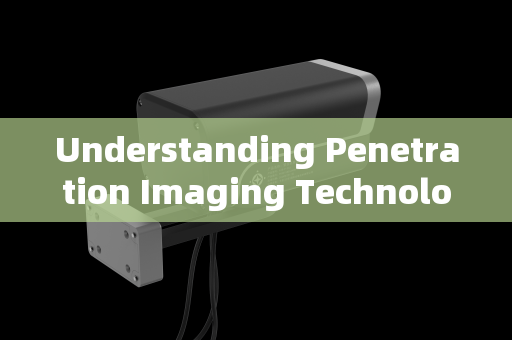
Penetration Imager Effect Images
-
Rapid Response and Crisis Management During an active threat or attack, these systems can aid responders by seeing through smoke, dust, or fire to locate victims, perpetrators, or hazards—enhancing situational awareness for tactical teams and improving rescue outcomes.
Broader Application Context
While counter-terrorism in crowded places is a critical use case, penetration imaging systems also serve multiple high-stakes domains:
- Emergency & Rescue: Urban and wildfire firefighting, mine disasters, water rescue, and national emergency response—enabling visibility in opaque, hazardous environments.
- Law Enforcement & Military: Security checkpoints, counter-narcotics operations, border patrol, anti-smuggling, riot control, covert tracking, and military reconnaissance.
- Coastal & Border Defense: Long-range imaging through fog and glare for maritime security, port monitoring, and border surveillance.
- Smart City & Public Safety Integration: Incorporating into broader intelligent security networks for metro systems, critical infrastructure, and public event monitoring.
Conclusion
The penetration imaging system stands as a transformative asset in modern counter-terrorism and public safety strategy. By delivering clear, actionable visual intelligence through barriers and in poor environmental conditions, it fills a vital gap in protecting crowded spaces. Its non-intrusive nature, combined with high precision and reliability, supports proactive threat detection, efficient inspections, and effective emergency response—ultimately safeguarding lives and maintaining public order in an increasingly complex security environment. As threats evolve, such advanced imaging technologies will continue to be pivotal in securing the spaces where people gather, travel, and live.