In the high-stakes world of tactical operations, success is meticulously built upon the bedrock of superior intelligence. The pre-raid reconnaissance phase is where missions are won or lost before the first operator even crosses the threshold. Traditional methods—human observation, basic optics, or even drone footage—often falter against the very barriers adversaries rely on: darkness, obscurants, and fortified structures. Enter the penetration imaging system, a revolutionary technological asset that is fundamentally redefining the art of seeing the unseen and providing an unparalleled advantage in pre-assault situational awareness.
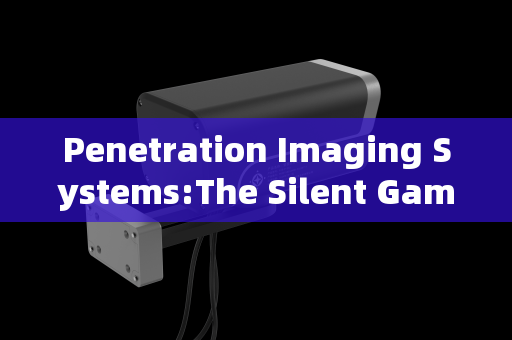
Penetration Imager Effect Images
Understanding the Core Technology
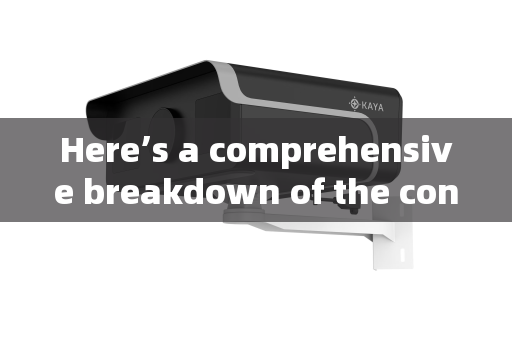
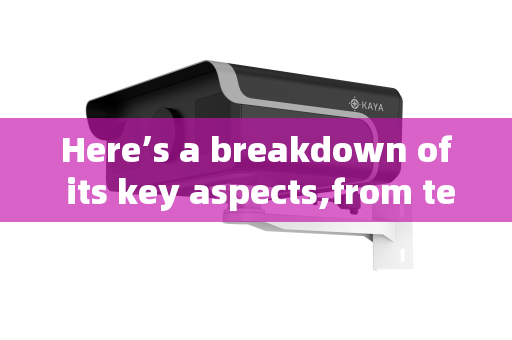
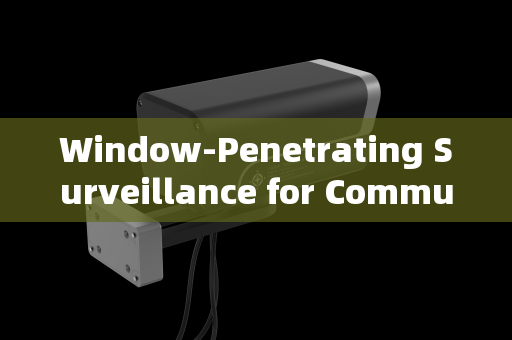
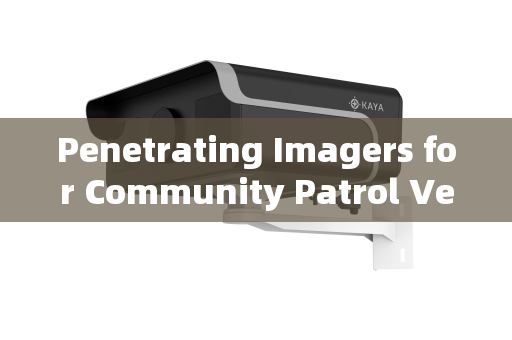
A penetration imaging system is not merely an enhanced camera. It is a sophisticated fusion of advanced laser physics and precision optoelectronics, primarily utilizing Laser Range-Gated (LRG) Imaging or Gated Imaging technology. At its heart, the system synchronizes a high-repetition-rate pulsed laser with a specialized gated intensifier camera. The process is a masterclass in temporal precision: a short, powerful pulse of laser light illuminates the scene. The camera's "gate," or shutter, is electronically controlled to open for an incredibly brief period (down to nanoseconds), precisely timed to capture only the photons reflected from a specific "slice" of distance.
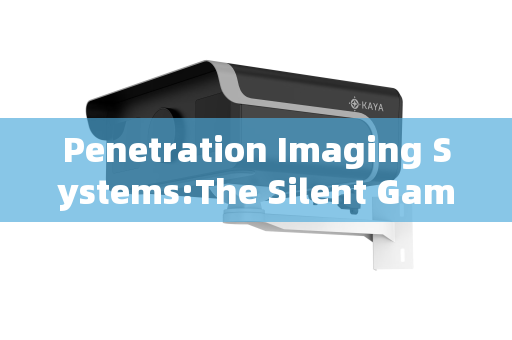
Penetration Imager Effect Images
This method delivers decisive advantages. By rejecting scattered light from obscurants like smoke, fog, rain, or mist in the foreground—a phenomenon known as backscatter—it achieves exceptional image contrast. Its ability to penetrate transparent and semi-transparent barriers such as vehicle windows, building glass, aircraft portholes, and even certain types of tinted or laminated glass is transformative. It operates effectively in total darkness or low-light conditions, providing a clear, real-time visual feed where conventional night vision or thermal imaging might be limited by window reflections or lack of thermal contrast indoors.
The Tactical Edge in Pre-Raid Scenarios
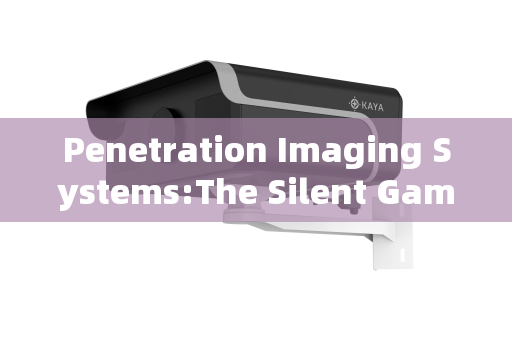
Penetration Imager Effect Images
In the critical hours and minutes leading to a tactical raid, be it for counter-terrorism (CT), hostage rescue (HR), high-value target (HVT) detention, or narcotics interdiction, the penetration imaging system becomes a force multiplier.
- Covert Intelligence Gathering & Threat Identification: Operatives can conduct stand-off reconnaissance from a concealed position hundreds of meters away. They can peer through windows to ascertain the number, location, activity, and even the armament of subjects inside a structure without alerting them. This allows for the confirmation of intelligence, identification of non-combatants, and detection of potential traps or IED emplacements near entry points.
- Dynamic Risk Assessment & Operational Planning: Commanders gain a "through-the-wall" perspective. Assessing the interior layout, verifying room occupancy, and identifying safe approach vectors or potential strongholds within a building becomes possible. This data directly informs the Final Planning Briefing (FPB), enabling the tailoring of entry tactics, stack formations, and contingency plans, thereby significantly enhancing force protection and mission success probability.
- Overcoming Environmental & Adversarial Countermeasures: Adversaries often use smoke, fog, or even ignite fires to create cover. The system's robust performance in such degraded visual environments (DVEs) ensures continuous surveillance capability. Its ability to see through flames or dense smoke is particularly crucial for urban firefighting and technical rescue integrations within tactical teams, allowing for victim location and interior condition assessment before committing forces.
- Mobile and Maritime Applications: Mounted on ground vehicles, UAVs, or maritime craft, these systems extend the reconnaissance envelope. For coastal and border security, they enable long-range surveillance through haze and fog, assisting in the interdiction of suspicious vessels or the monitoring of coastal infiltration. In vehicle interdiction operations, officers can safely scan a suspect vehicle's interior from a distance, assessing threats before initiating a high-risk traffic stop.
Beyond the Raid: A Cross-Domain Asset
The utility of penetration imaging extends seamlessly across the public safety and defense spectrum. In emergency response, it is indispensable for firefighters navigating zero-visibility, smoke-filled structures to locate victims and identify flashover risks. For correctional facility security, it allows for non-invasive scanning of cells and common areas. In critical infrastructure protection, it facilitates the inspection of sensitive areas through protective glass or in poor weather.
Conclusion
The penetration imaging system is far more than a sensor; it is a decisive intelligence, surveillance, and reconnaissance (ISR) tool that neutralizes the traditional advantages of concealment and cover. By delivering clear, actionable visual intelligence through barriers and in conditions that blind other technologies, it empowers tactical commanders with unprecedented situational awareness. In the silent, high-tension moments of pre-raid reconnaissance, it provides the clarity needed to make informed, confident decisions, ultimately safeguarding operator lives, protecting innocents, and ensuring the precise, successful execution of the mission. It represents a paradigm shift in tactical optics, turning the opaque into the transparent and uncertainty into actionable certainty.