Introduction
Organized crime poses a persistent threat to global security, employing sophisticated methods to evade detection in illicit activities such as drug trafficking, human smuggling, and terrorism. Covert reconnaissance is critical for law enforcement and intelligence agencies to gather actionable intelligence without alerting suspects. However, traditional surveillance tools often falter in challenging environments—low-light conditions, obscured views through barriers like tinted windows, or adverse weather. Enter penetration imaging systems, an advanced technological solution that revolutionizes clandestine operations. By leveraging cutting-edge laser range-gated imaging technology, these systems enable precise, non-intrusive imaging through various obstructions, making them indispensable in the fight against organized crime. This article explores the role of penetration imaging systems in covert reconnaissance, detailing their functionality, applications, and impact on modern policing and emergency response.
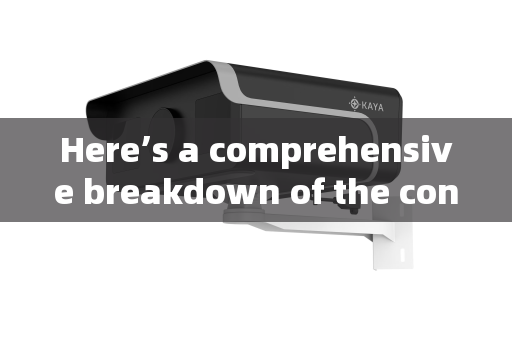
Penetration Imager Effect Images
Technical Overview of Penetration Imaging Systems
A penetration imaging system is built on laser range-gated imaging (also known as gated imaging technology), which innovatively integrates high-repetition-rate pulsed lasers with intensified gated cameras. The core principle involves synchronizing nanosecond-pulsed laser illumination with an image intensifier camera’s shutter control. By adjusting time delays, the system slices and scans different distance segments, stacking images to achieve high-contrast visualization. This process effectively overcomes backscatter and interference, allowing for clear imaging in extreme conditions.
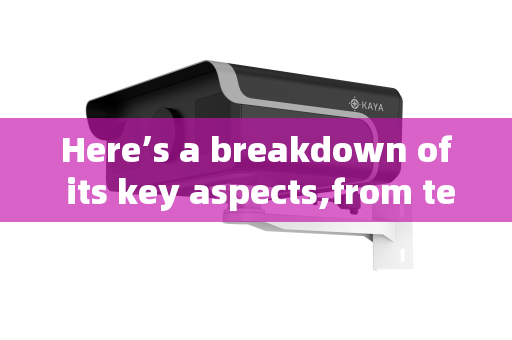
Penetration Imager Effect Images
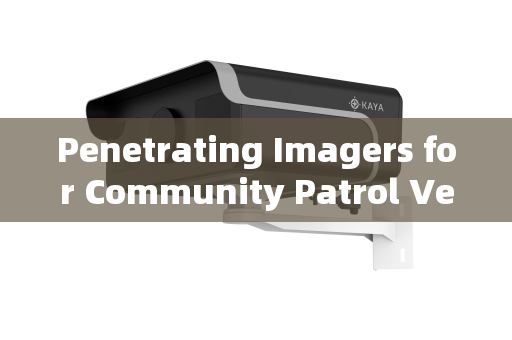
Key components include a pulsed laser, an intensified gated camera (featuring a microchannel plate or MCP image intensifier, high-voltage module, timing module, and gating module), beam expanders, and imaging lenses. The camera offers over 10^6x optical gain, sub-3-nanosecond optical shutter speeds, and better than 10-picosecond synchronization precision, enabling high-accuracy 3D data acquisition. This technology excels in long-range imaging with superior distance resolution, making it resilient against environmental clutter like smoke, fog, rain, or glare.

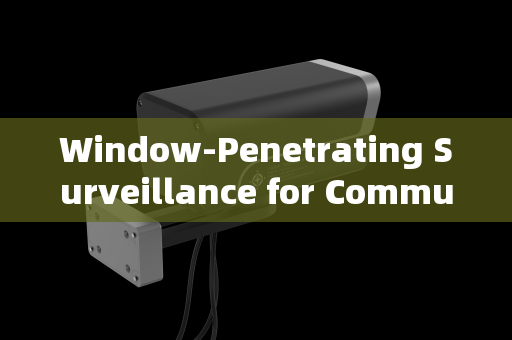
Penetration Imager Effect Images
Functionality and Advantages in Covert Operations
Penetration imaging systems are designed to operate in micro-light or no-light scenarios, penetrating barriers such as vehicle windows (including cars, trains, and aircraft), glass facades, and specialized glass types. They also image through media like fire, smoke, precipitation, haze, and even water, supporting underwater reconnaissance. Key advantages include:
- Extended Imaging Range: Capable of distant target detection without physical proximity, reducing operational risk.
- High Distance Resolution: Provides detailed spatial data for accurate target identification and mapping.
- Robust Anti-Interference: Mitigates atmospheric backscatter and ambient light, ensuring clarity in cluttered settings.
- Stealth and Non-Intrusiveness: Operates passively without emitting detectable signals, crucial for covert missions.
These features empower agencies to conduct surveillance undetected, gathering evidence or monitoring suspects in real-time.
Role in Covert Reconnaissance Against Organized Crime
Organized crime groups often use fortified vehicles, obscured windows, or remote hideouts to conceal activities. Penetration imaging systems address these challenges directly:
- Vehicle-Based Surveillance: Law enforcement can discreetly image through tinted car windows or armored vehicles to identify occupants, weapons, or contraband during stakeouts or traffic stops. This aids in anti-smuggling operations, drug interdiction, and fugitive tracking.
- Building Penetration: In urban settings, these systems allow spies to see through glass幕墙 or windows into buildings, monitoring meetings, stash houses, or illegal labs without breaching perimeters. This is vital for gathering pre-raid intelligence or long-term investigations.
- Adverse Environment Operations: Criminal activities often occur at night or in恶劣 weather. The system’s ability to image through fog, rain, or smoke ensures continuous reconnaissance in coastal areas for piracy or border regions for illicit crossings.
- Underwater and Maritime Applications: For crimes involving underwater contraband drops or port security, the technology supports sub-surface imaging, enhancing maritime law enforcement efforts.
By providing real-time, high-fidelity imagery, penetration imaging systems reduce reliance on risky human infiltration, accelerate evidence collection, and support prosecutions with concrete visual data. Case studies in counter-terrorism and anti-trafficking units highlight their value in preempting attacks or disrupting syndicates.
Broader Applications in Emergency and Security Sectors
Beyond covert reconnaissance, penetration imaging systems have versatile uses across应急, law enforcement, and defense domains, aligning with industry terminology:
- Emergency Response: In urban firefighting, forest fire management, mine rescues, and water-based salvages, these systems improve search-and-rescue efficiency by imaging through smoke or debris, minimizing casualties. They are also deployed in training facilities (e.g., live-fire simulators) and critical infrastructure for high-level fire safety.
- Police and Military Operations:适用于 scenarios like安检执法, counter-terrorism救援,查缉布控,侦察取证, and防暴除突. They aid in缉毒缉私,军事打击, and秘密侦查追踪, integrating with智慧城市,智慧安防, and智慧公安 initiatives for proactive threat detection.
- Coastal and Border Defense: In海防边防, the systems enable long-range透雾成像 and强光抑制成像, ensuring operational continuity in恶劣天气 for maritime missions, vessel monitoring, and border patrols.
This wide applicability underscores their role as a force multiplier in national security.
Conclusion
Penetration imaging systems represent a paradigm shift in covert reconnaissance, offering unparalleled capabilities to penetrate visual barriers and恶劣 conditions. In the context of organized crime, they empower agencies to conduct stealthy, effective surveillance, gathering critical intelligence that disrupts illicit networks and enhances public safety. As technology evolves, these systems will likely see expanded adoption in global security frameworks, driving innovations in smart policing and emergency management. For law enforcement and military professionals, investing in such tools is not just an option but a necessity to stay ahead in the relentless battle against crime. By bridging the gap between隐蔽行动 and technological advancement, penetration imaging systems stand as a cornerstone of modern investigative strategy.