In the high-stakes, time-sensitive realm of fire rescue operations, situational awareness is the cornerstone of both operational success and responder safety. The ability to "see the unseen" – through blinding smoke, intense flames, dense debris, or obscuring architectural elements – directly translates to faster victim localization, more accurate hazard assessment, and superior tactical decision-making. This is where advanced Penetration Imaging Systems transition from being sophisticated technological tools to becoming indispensable, life-saving assets for first responders.
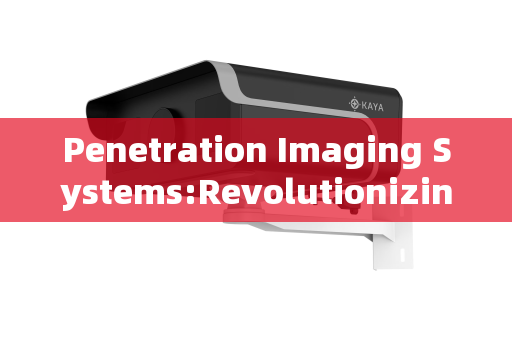
Penetration Imager Effect Images
Understanding Penetration Imaging Technology
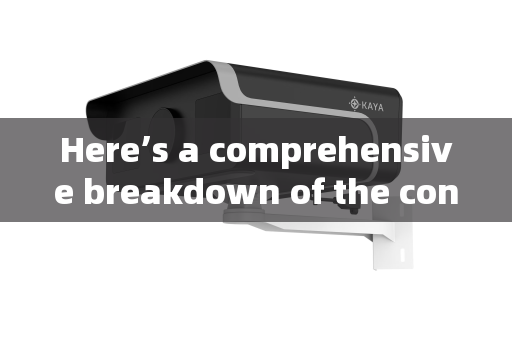
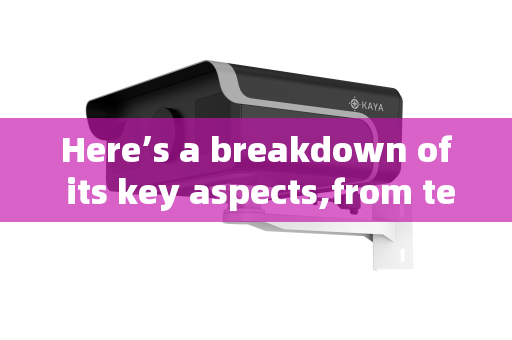
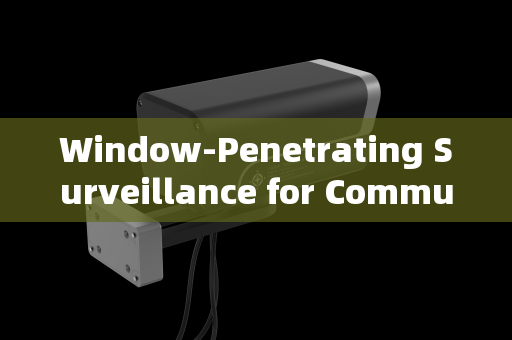
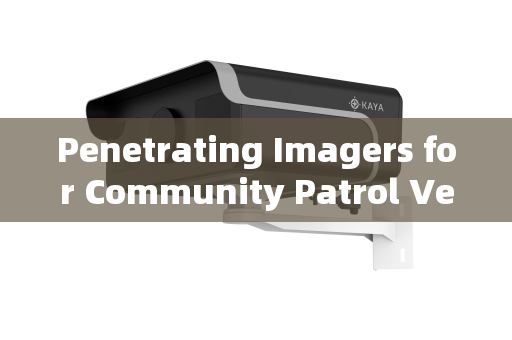
A Penetration Imaging System is not a conventional thermal or optical camera. It represents a significant leap forward, primarily utilizing Laser Range-Gated Imaging (LRGI) or Gated Imaging technology. The core innovation lies in the precise synchronization of a high-repetition-rate pulsed laser and a gated, intensified camera. The system emits ultrashort (nanosecond) laser pulses toward the target area. The camera’s intensifier shutter, or "gate," is electronically synchronized to open only for an extremely brief window (as short as 3 nanoseconds), precisely timed to capture the laser light reflected from a specific "slice" of distance. By progressively delaying this gate, the system scans through different range slices, effectively stacking them to build a clear, high-contrast image of the scene.
This method provides several critical advantages crucial for emergency scenarios:
- Superior Penetration & Suppression: It effectively overcomes backscatter from obscurants like smoke, fog, rain, snow, and dust, which typically blind standard cameras and degrade thermal imaging.
- Long-Range, High-Resolution Imaging: Enables target detection and identification from significant stand-off distances, keeping operators safe from immediate danger.
- Material Penetration Capability: A defining feature is its ability to "see through" various glass types—car windshields, building windows, specialty glass, train and aircraft windows—even in total darkness. This allows for interior assessment without physical entry.
- Component Sophistication: The system integrates a pulsed laser, a beam expander, an imaging lens, and a Gated Intensified Camera. This camera core houses a Microchannel Plate (MCP) image intensifier, high-voltage modules, and precision timing circuitry, achieving optical gains exceeding 10^6 and synchronization precision better than 10 picoseconds, enabling high-fidelity 3D data acquisition.
Pivotal Role in Fire & Rescue Operations

Penetration Imager Effect Images
In fireground and complex rescue environments, Penetration Imaging Systems play transformative roles across multiple phases:
-
Initial Scene Assessment & Size-Up: Arriving units can immediately conduct a rapid, long-range reconnaissance through thick smoke or at night. Commanders gain vital intelligence on fire dynamics, structural integrity, and potential points of entry or collapse without risking personnel.
-
Search & Victim Localization: This is perhaps its most impactful application. The system can scan room interiors through windows from the exterior or navigate heavily smoke-logged interiors to locate unconscious or trapped victims far more quickly than traditional search methods. The ability to penetrate glass is crucial for rapid vehicle extrication and building searches.
-
Navigating Zero-Visibility Environments: Firefighters advancing hose lines or conducting interior attack can use handheld or helmet-mounted variants to navigate through completely opaque smoke, identifying obstacles, holes in flooring, and safe paths forward, thereby reducing disorientation and injury risk.
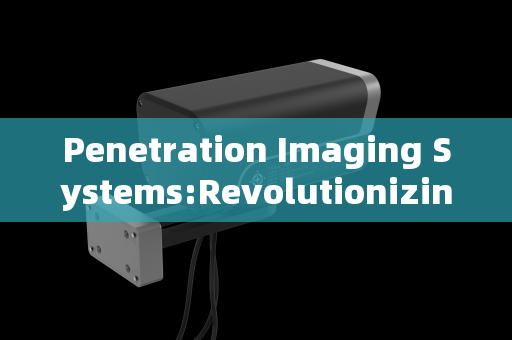
Penetration Imager Effect Images
-
Hazard Identification & Mitigation: It can help identify the location of stored hazardous materials, overheated machinery, or specific seat of a fire behind walls or doors, informing tactical ventilation and suppression strategies.
-
Broad Application Spectrum: Beyond urban firefighting, its utility extends to:
- Wildland Firefighting: For spotting hotspots through smoke and monitoring fire lines.
- Industrial & Mine Rescue: Inspecting compromised structures and locating survivors in dust- and gas-filled environments.
- Water Rescue: Capable of underwater imaging for submerged victim or object recovery.
- Training & Simulation: Used in live-fire training facilities to safely monitor trainee progress through observation windows in realistic, obscured conditions.
Complementary Role in Law Enforcement, Security, and Defense
While its fire rescue value is profound, the technology's robustness makes it equally vital for allied professions:
- Law Enforcement & Counter-Terrorism: For covert surveillance through windows, evidence gathering in obscured conditions, counter-sniper operations, and apprehending suspects hiding in smoke or fog. It aids in安检, anti-smuggling operations, and dynamic entry planning.
- Border & Maritime Security: The system’s long-range, all-weather imaging capability ensures continuous surveillance coastlines and critical infrastructure, penetrating haze, fog, and darkness to monitor vessel traffic and detect intrusions.
- Military Operations: Supports intelligence, surveillance, and reconnaissance (ISR), target acquisition, and navigation in degraded visual environments (DVE) caused by weather, battlefield obscurants, or darkness.
Conclusion
The Penetration Imaging System is far more than just another sensor; it is a force multiplier for emergency services. By granting firefighters and rescue teams the unprecedented ability to acquire clear visual intelligence in the very conditions designed to thwart it—darkness, smoke, and obscuring barriers—it dramatically enhances operational effectiveness. It shortens search times, pinpoints hazards, guides tactical movements, and ultimately, saves lives. As this technology continues to evolve and integrate with other data systems (like Building Information Modeling or BIM), it is poised to become a standard, critical component in the modern first responder's toolkit, redefining the art of the possible in rescue operations under extreme duress. Its cross-functional utility in law enforcement and security further underscores its status as a pivotal technology for public safety in the 21st century.