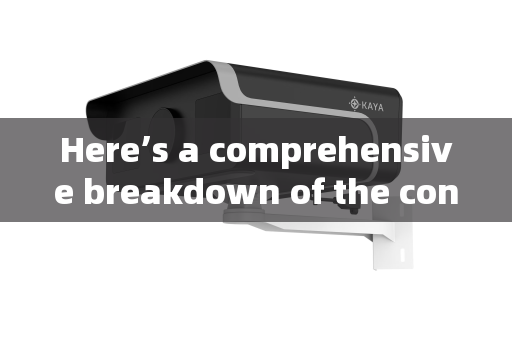
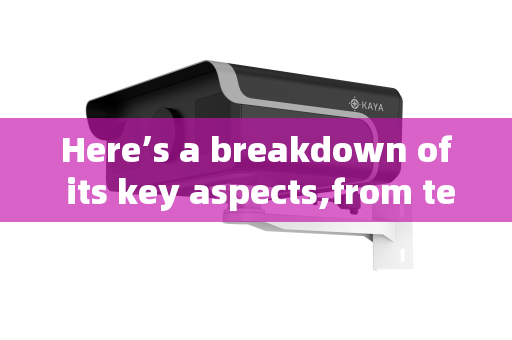
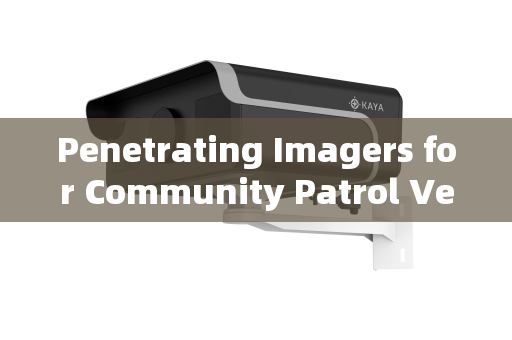
In the high-stakes, time-sensitive realm of fire rescue, situational awareness is the single most valuable commodity. Traditional visibility is often the first casualty, obliterated by dense smoke, intense flames, darkness, or obscured by barriers like windows and specialized glass. This “vision gap” poses grave risks to both victims and responders, complicating search efforts, delaying interventions, and increasing operational hazards. The penetration imaging system, leveraging advanced Laser Range-Gated Imaging (LRG) technology, emerges as a transformative tool designed to bridge this gap, providing unprecedented visual intelligence in environments where conventional optics and even thermal imaging falter.
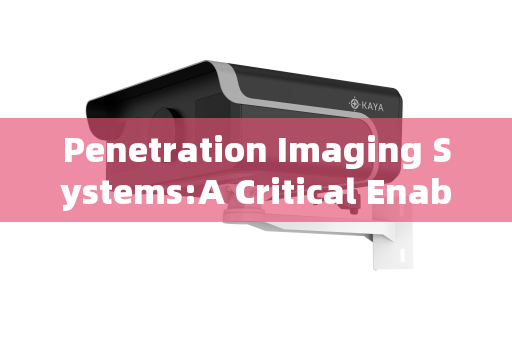
Penetration Imager Effect Images
Understanding the Technology: Seeing the Unseeable
At its core, a penetration imaging system is an active imaging solution that combines a high-repetition-rate pulsed laser with a gated, intensified camera. The fundamental innovation lies in precise nanosecond-level synchronization between the laser pulse and the camera’s ultra-fast electronic shutter (the “gate”). The system illuminates the scene with a powerful, short laser pulse and then opens the camera’s gate for an equally brief period, timed to coincide with the return of light reflected from a specific, narrow “slice” of space. By progressively scanning through different time delays (or distance slices), it constructs a clear, high-contrast image of the target area.
This methodology grants the system several decisive advantages crucial for emergency response:
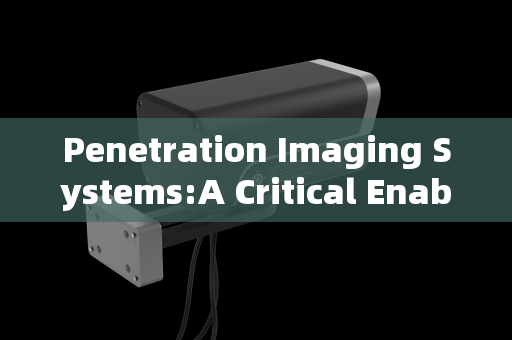
Penetration Imager Effect Images
- Superior Penetration Capability: It can effectively "see through" obscurants like smoke, fog, mist, rain, and snow by minimizing backscatter—the light reflected from the particulates closest to the camera, which typically blinds conventional systems. More remarkably, it can achieve non-contact penetration of various glass types (vehicle windows, architectural glass, aircraft portholes, high-speed train windows) without reflection glare.
- Extended Range and Resolution: It offers long imaging ranges with high distance resolution, allowing responders to assess a structure or terrain from a safer standoff distance.
- Operation in Zero-Light Conditions: As an active system, it creates its own illumination, functioning independently of ambient light.
- High-Fidelity 3D Information: The precise timing control enables high-accuracy three-dimensional data acquisition of the target scene.
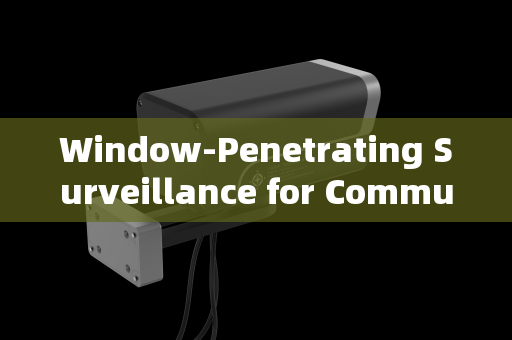
Key components include the pulsed laser, a gated intensifier camera (incorporating a Microchannel Plate (MCP) image intensifier, high-voltage module, timing module, and gating circuit), beam expander, and imaging lens. The MCP intensifier provides exceptional optical gain (>10^6), while the gating circuitry enables shutter speeds below 3 nanoseconds with timing synchronization precision better than 10 picoseconds.
Direct Application in Fire and Rescue Operations
For firefighters and urban search and rescue (USAR) teams, this technology translates into tangible, life-saving capabilities:
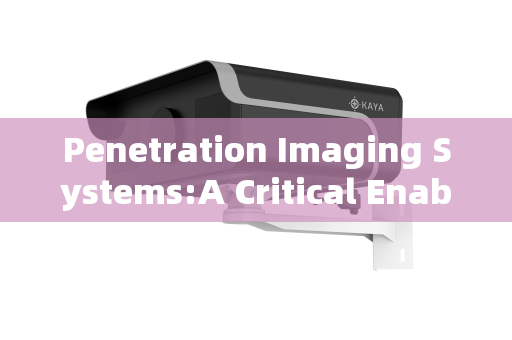
Penetration Imager Effect Images
- Enhanced Victim Locating in Structural Fires: Dense smoke is a primary obstacle. Penetration imaging can map interior layouts, identify downed victims, and locate firefighters in distress through the smoke, drastically reducing search times in residential, commercial, and high-rise fires.
- Through-Window Reconnaissance: Before making a forced entry—a high-risk tactical action—teams can use the system to conduct a rapid internal assessment from outside. This allows for the identification of fire location, victim presence, structural hazards, and alternative access points, informing safer and more effective tactical decisions.
- Vehicle Extrication and Transportation Incidents: It can peer through heavily tinted, damaged, or mud/ice-covered windows of cars, trucks, buses, and aircraft to locate and assess trapped occupants prior to cutting operations, avoiding potential secondary injuries.
- Wildland Firefighting Support: While thermal imaging detects heat, penetration imaging can cut through smoke and light foliage to identify terrain features, spot firefighter crews, or detect smoldering hot spots in challenging atmospheric conditions.
- Training and Simulation: In live-fire training facilities and simulation systems, it allows instructors to safely monitor trainee movements and techniques inside smoke-filled environments from an external control point, providing invaluable feedback without compromising safety.
Broader Emergency and Law Enforcement Utility
The system’s value extends beyond pure firefighting into interconnected domains:
- Law Enforcement & Counter-Terrorism: In barricade situations, hostage rescues, or armed interventions, it provides critical visual intelligence through windows and obscured openings. It is equally potent for evidence gathering, surveillance, anti-smuggling operations (vehicle inspections), and counter-assault planning.
- Maritime and Coastal Security: For coast guards and maritime units, its ability to perform long-range imaging through fog, haze, and spray enhances navigation safety, aids in search and rescue (SAR) over water, and supports interdiction and boarding operations in poor visibility.
- Infrastructure Protection: It is suited for securing critical infrastructure like power plants, refineries, and landmark buildings, enabling perimeter surveillance and threat assessment through atmospheric obscurants.
Conclusion
The penetration imaging system represents a paradigm shift in operational visibility for the fire and rescue services. By mastering light and time at a nanoscale, it delivers a decisive information advantage in the most visually degraded and hazardous environments. Its ability to perform non-contact reconnaissance through smoke and glass directly addresses core challenges in fireground operations, leading to more informed command decisions, faster victim recovery, and enhanced responder safety. As this technology continues to evolve and integrate with other sensor platforms and command systems, it is poised to become an indispensable component of the modern rescuer’s toolkit, fundamentally strengthening mission effectiveness and saving lives where every second counts.