In the high-stakes, time-critical arena of fire rescue operations, every second counts. Visibility is often the first casualty, lost to thick smoke, intense flames, darkness, or obstructive barriers like windows. Traditional thermal imaging cameras, while invaluable, have limitations—particularly against blinding backscatter from particulate matter or when needing to see through specific barriers. This is where an advanced technological solution, the Penetration Imaging System (PIS) based on Laser Range-Gated Imaging (LRG) or "gated imaging" technology, emerges with the potential to dramatically reshape rescue efficiency and situational awareness.
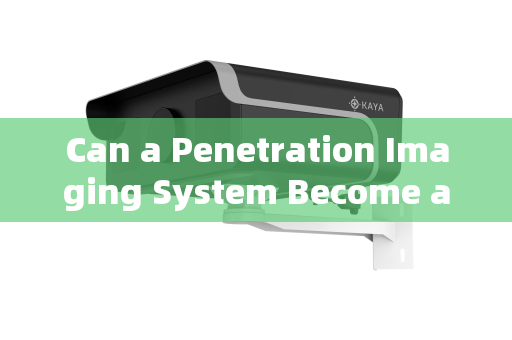
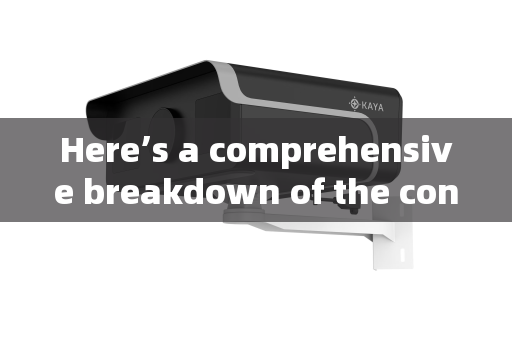
Penetration Imager Effect Images
Understanding the Penetration Imaging System
At its core, a PIS is a sophisticated active imaging system designed to "slice through" visual obscurants. It innovatively combines a high-repetition-rate pulsed laser with a gated, intensified camera. The operational genius lies in precise, nanosecond-level synchronization. The system emits a powerful, ultrashort pulse of laser light. The gated camera's shutter remains closed until the exact moment the light pulse reflects off a target at a specific, pre-selected distance. By electronically controlling this time delay ("the gate"), the system captures only the light returned from that particular "slice" of space, rejecting scattered light from particles (smoke, fog, rain) in the foreground and background.
This process, repeated and stacked for different range slices, results in a high-contrast image of the target area. Key capabilities derived from this principle include:
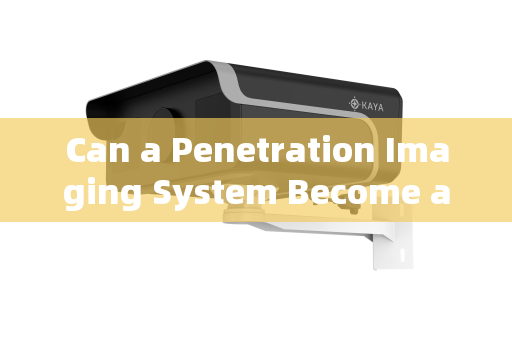
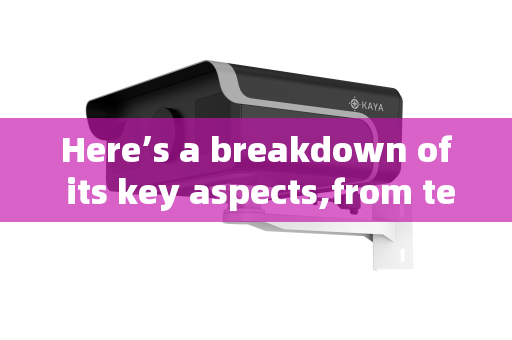
Penetration Imager Effect Images
- Superior Penetration: It can effectively see through various obscurants (fire, smoke, fog, haze, snow, rain) and passively penetrate certain transparent and semi-transparent barriers like vehicle windows, building glass facades, train windows, and aircraft portholes without physical contact.
- Long-Range, High-Resolution Imaging: The concentrated laser illumination and rejection of noise enable clear imaging at significant distances.
- Effective Backscatter Suppression: This is a critical advantage over conventional lighting, as it minimizes the "whiteout" effect caused by light reflecting off particles close to the observer.
- 3D Information Capability: With sub-10 picosecond synchronization precision, the system can obtain highly accurate range data for each pixel, facilitating 3D scene mapping.
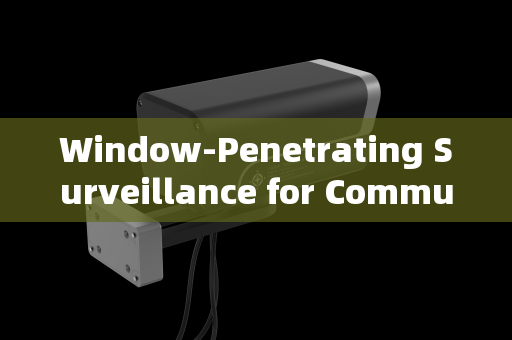
The system's hardware typically comprises a pulsed laser emitter, a beam expander, an imaging lens, and an intensifier-gated camera. The camera itself integrates a Microchannel Plate (MCP) image intensifier, high-voltage modules, and precision timing/gating electronics, enabling extreme optical gain (>10^6), ultrafast gating (<3ns), and exceptional synchronization.
Transforming Fire and Emergency Rescue Operations
For firefighters and first responders, a PIS is not just another camera; it's a force multiplier for situational intelligence.
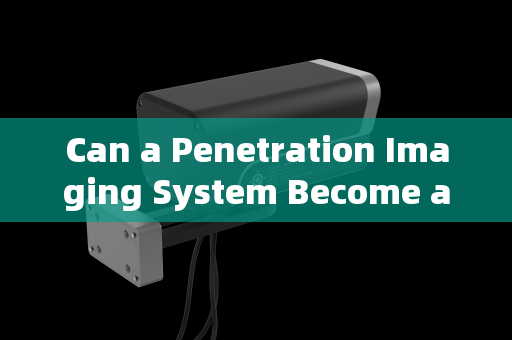
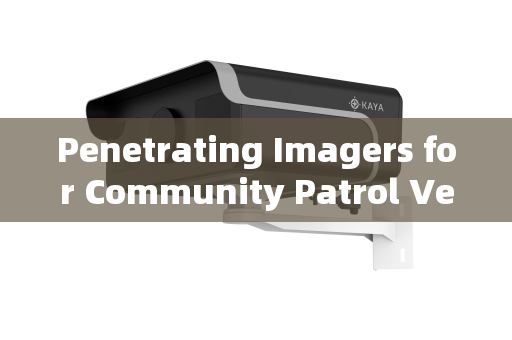
Penetration Imager Effect Images
- Enhanced Victim Detection and Situational Awareness: In a structure fire filled with smoke, a PIS can cut through the opacity to identify heat signatures and, more importantly, visual details of victims—their posture, location relative to hazards, and even movement—from a safer distance. This allows for faster, more informed rescue prioritization and planning.
- Barrier Penetration for Pre-Assessment: Before making a forcible entry, which can alter fire dynamics, crews can use the PIS to scan rooms through windows or glass doors. They can assess interior fire spread, identify potential flashover conditions, and locate victims without compromising the structure's integrity prematurely. This is invaluable for urban firefighting, high-rise rescue, and operations at landmarks or complex buildings.
- Navigating Zero-Visibility Environments: In scenarios like industrial fires with chemical smoke, shipboard fires, or mine rescues, where visibility is nil and environments are immediately dangerous to life and health (IDLH), the system can guide teams through corridors, identify obstacles, and locate control panels or hazards.
- Wildland Firefighting Support: It can aid in spotting hotspots through light smoke or foliage, and potentially identify personnel or assets in smoky conditions, improving safety on the fireline.
- Water and Maritime Rescue: The system's inherent ability for underwater imaging and penetration of surface glare or light fog can assist in water rescue operations, helping to locate individuals in distressed vessels or in the water under challenging light conditions.
- Training and Simulation: In live-fire training facilities and simulation systems, it allows safety officers and instructors to monitor trainees inside smoke-filled environments in real-time, enhancing safety and providing valuable performance feedback.
Broader Applications Reinforcing its Utility
The technology's value extends beyond civilian emergency services, which further validates its robustness and capability:
- Law Enforcement & Military: For counter-terrorism, hostage rescue (HR), surveillance, evidence collection, and perimeter security, the PIS offers the ability to conduct covert, long-range observation through windows or in adverse weather. It is crucial for border security, maritime interdiction, and force protection, providing clear imaging in fog, haze, or against glare (strong light suppression).
- Security & Critical Infrastructure: It integrates into smart city, smart security, and smart policing frameworks, enabling 24/7 surveillance of ports, airports, and critical infrastructure regardless of weather conditions (fog, rain, snow).
Conclusion: A Resounding Yes for Efficiency
So, can a Penetration Imaging System improve efficiency in fire rescue operations? The evidence points to a resounding yes. By granting the ability to "see the unseen"—to locate victims faster through smoke and barriers, to conduct safer pre-entry assessments, and to navigate lethal environments with greater confidence—it directly compresses the decision-action timeline. This technology translates into more rapid interventions, optimized resource deployment, and ultimately, the preservation of both civilian lives and responder safety. As it matures and integrates with other sensor data and command systems, the Penetration Imaging System stands poised to become an indispensable tool in the modern rescuer's arsenal, fundamentally enhancing operational efficiency and mission success rates where clarity is most desperately needed.