Introduction
In modern urban environments and security-sensitive facilities, glass curtain walls present a significant challenge for surveillance, reconnaissance, and rescue operations. Traditional imaging systems struggle to capture clear visuals through reflective or tinted glass due to glare, reflections, and low-light conditions. Penetration imaging systems, leveraging advanced laser range-gated imaging technology, provide a groundbreaking solution to this problem. This article explores how these systems achieve high-contrast imaging through glass barriers and their critical applications in emergency response, law enforcement, and defense operations.
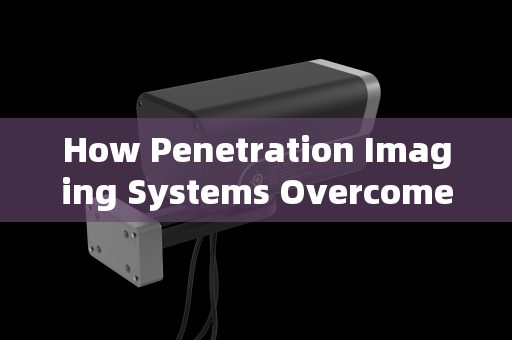
Penetration Imager Effect Images
Understanding Penetration Imaging Systems
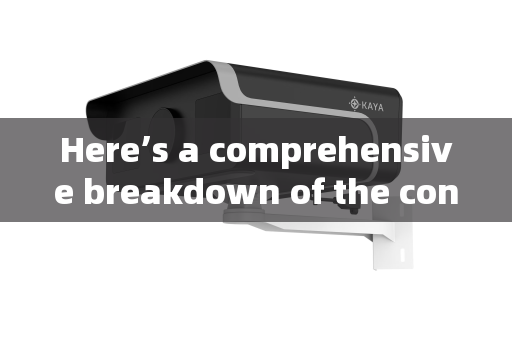
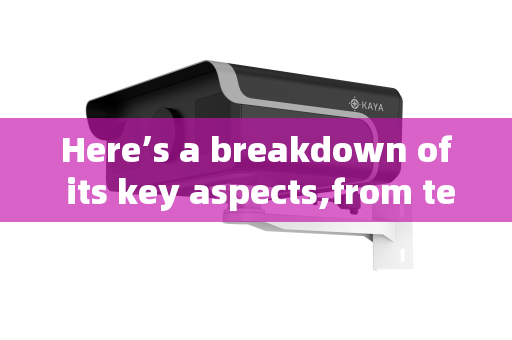
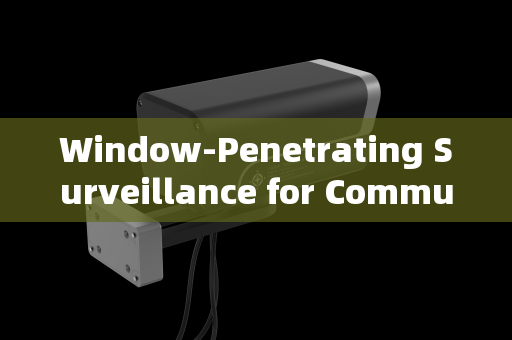
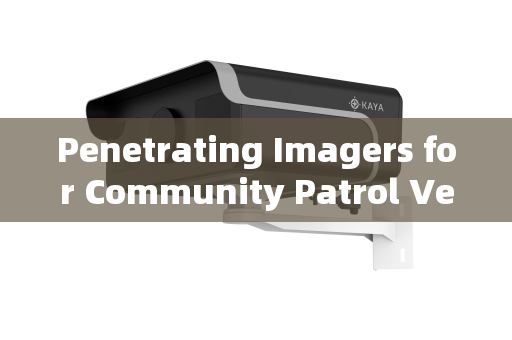
A penetration imaging system is designed to acquire visual information through optically challenging mediums such as glass, smoke, fog, or water. It combines a high-repetition pulsed laser with a gated intensifier camera, synchronized with nanosecond precision. By controlling the time delay between laser pulses and the camera’s shutter, the system captures "slices" of the scene at specific distances, effectively eliminating backscatter and reflections. This process, known as time-slicing or range-gating, enables clear imaging even in extreme conditions.
Key components include:
- Pulsed Laser: Emits high-frequency, short-duration light pulses to illuminate the target.
- Gated Intensifier Camera: Incorporates a Microchannel Plate (MCP) image intensifier, high-voltage modules, and timing circuits to achieve optical gains exceeding 10⁶ and shutter speeds below 3 nanoseconds.
- Beam Expander and Imaging Lens: Optimize laser distribution and focus.
The system’s ability to synchronize pulses with sub-10-picosecond precision allows for high-resolution 3D data acquisition, making it ideal for penetrating complex barriers like glass curtain walls, vehicle windows, or aircraft portholes.
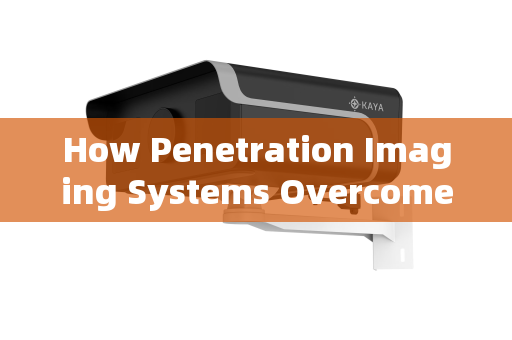
Penetration Imager Effect Images
How It Penetrates Glass Curtain Walls
Glass curtain walls often cause issues such as specular reflections, double images, and ambient light interference. Penetration imaging systems address these challenges through:
- Time-Gated Rejection: By synchronizing the camera’s shutter with laser pulses reflected from the target behind the glass, the system ignores reflections from the glass surface. Only light returning from the intended distance (beyond the glass) is captured.
- Wavelength Optimization: Lasers operate at wavelengths that minimize absorption and scattering by glass, ensuring maximum transmission.
- Active Illumination: The pulsed laser provides intense, focused illumination, overcoming low-light or tinted glass conditions.
This combination allows operators to "see through" glass without glare or distortion, even in complete darkness or adverse weather.
Applications in Emergency Response
In emergency scenarios, penetration imaging systems enhance situational awareness and save lives:
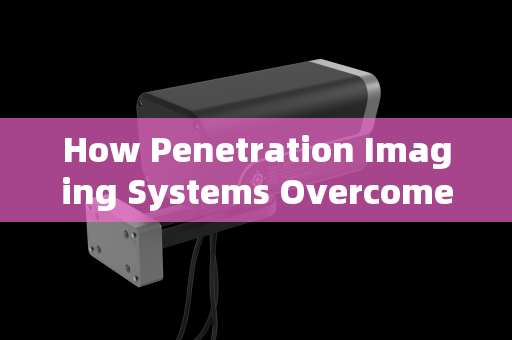
Penetration Imager Effect Images
- Urban and Forest Firefighting: Enables firefighters to locate victims through smoke, flames, and windows in high-rise buildings.
- Search and Rescue: Penetrates debris, water surfaces, or vehicle windows during accidents.
- Training Facilities: Used in live-fire simulation systems for realistic training in complex environments.
Law Enforcement and Military Use
For police and military operations, these systems provide tactical advantages:
- Surveillance and Reconnaissance: Covertly observe targets inside buildings with glass facades.
- Counter-Terrorism: Identify threats behind windows during hostage or barricade situations.
- Border and Maritime Security: Detect illegal activities through ship portholes or coastal structures.
- Evidence Collection: Capture clear images through reflective surfaces for investigative purposes.
Coastal and Border Defense
In maritime and border settings, penetration imaging systems offer:
- Long-Range Fog Penetration: Maintain visibility in fog, rain, or haze.
- Glare Suppression: Reduce interference from sunlight or artificial lights during nighttime operations.
- Enhanced Surveillance: Monitor ports, docks, or sensitive installations through glass barriers.
Conclusion
Penetration imaging systems represent a leap forward in optical technology, addressing the longstanding challenge of imaging through glass curtain walls and other obstructions. By integrating pulsed lasers with gated intensifier cameras, these systems deliver high-contrast, long-range imaging capabilities critical for emergency services, law enforcement, and defense operations. As urban landscapes evolve and security needs grow, such advanced imaging tools will play an increasingly vital role in ensuring safety and operational success.
References
- Range-Gated Imaging Systems: Principles and Applications.
- Advances in Active Optical Imaging for Security and Surveillance.
- Case Studies in Emergency Response Technology Integration.