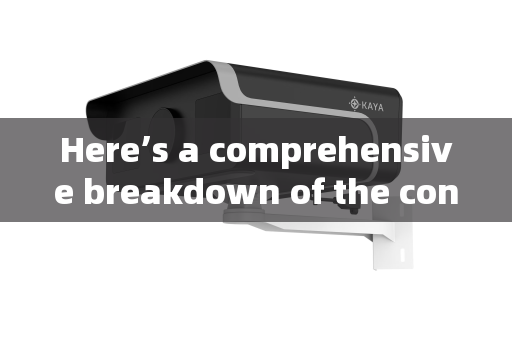
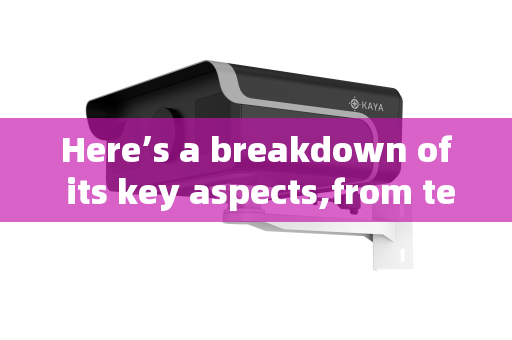
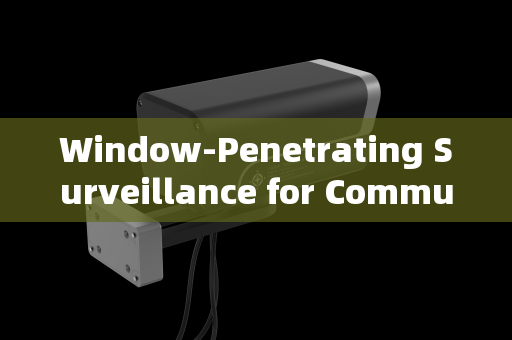
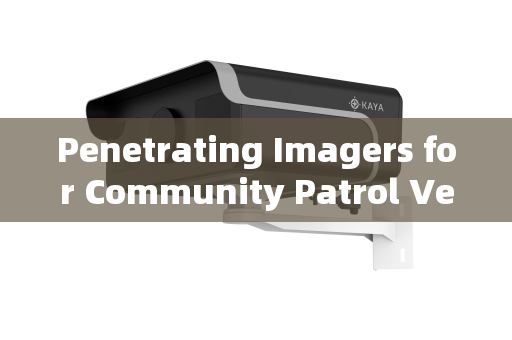
Penetration Imaging Systems (PIS), leveraging advanced Laser Range-Gated Imaging (LRGI) technology, represent a groundbreaking leap in optical sensing. By innovatively synchronizing high-repetition-rate pulsed lasers with intensified gated cameras, these systems achieve precise time-slicing of reflected light, effectively building a high-contrast image slice by slice from different distance segments. This core principle enables them to excel in extreme conditions, offering exceptional operational range, high-distance resolution, robust resistance to interference, and the unique capability to suppress backscatter from obscurants.
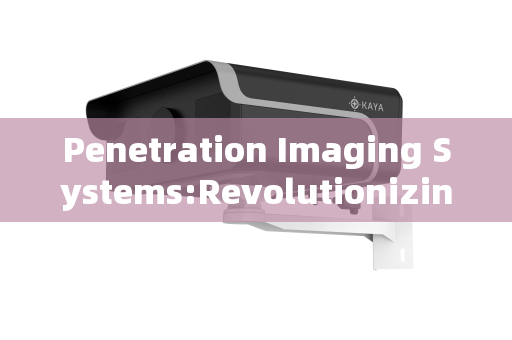
Penetration Imager Effect Images
The system architecture typically comprises a pulsed laser illuminator, an intensified gated camera (with a Microchannel Plate (MCP) image intensifier, high-voltage and precise timing/gating modules enabling >10^6 optical gain, <3ns optical gating, and superior to 10ps synchronization), beam expanders, and imaging lenses. This configuration allows for high-precision 3D information acquisition, fundamentally transforming situational awareness where traditional vision fails.
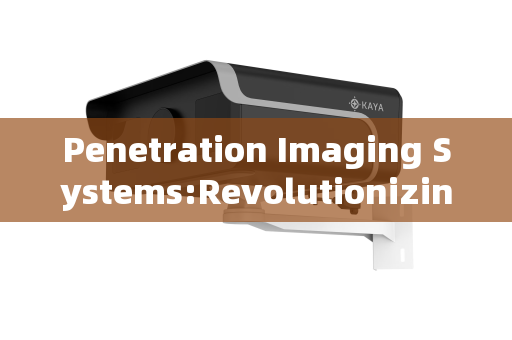
Penetration Imager Effect Images
The applications of this disruptive technology span several high-stakes fields, addressing critical challenges in safety, security, and defense.
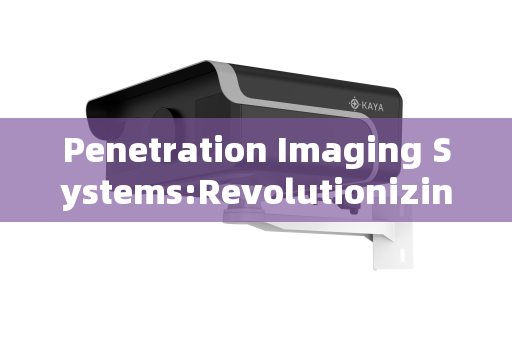
Penetration Imager Effect Images
Emergency Response & Public Safety In emergency scenarios where every second counts and visibility is paramount, PIS proves invaluable. For urban and wildland firefighting, it enables responders to "see through" dense smoke, flames, and steam, identifying trapped victims, assessing structural integrity, and locating fire sources with unprecedented clarity, thereby enhancing rescue efficiency and reducing casualties. It is equally crucial for mine and water rescue operations, penetrating murky water, debris, and particulate-filled environments. Furthermore, its ability to penetrate various glass types (car windows, building facades, train/aircraft windows) without physical contact makes it ideal for non-intrusive victim detection in vehicles or buildings. High-fidelity live-fire training systems and major infrastructure security also benefit from its advanced imaging for realistic simulation and preventative monitoring.
Law Enforcement, Military, & Border Security The tactical advantages offered by PIS are significant for military and police operations. It facilitates covert surveillance and reconnaissance through windows, light foliage, and atmospheric obscurants (fog, haze, rain), enabling intelligence gathering and suspect tracking without detection. In counter-terrorism and force protection, it aids in standoff threat assessment inside vehicles or buildings. For maritime and border security, its long-range, weather-penetrating capability is vital. It ensures continuous surveillance and navigation aid by "seeing through" fog, mist, and glare, supporting vessel approach management, port security, and coastal patrol activities in adverse conditions, day or night.
Industrial, Security & Niche Applications Beyond core emergency and defense roles, PIS finds utility in broader security and industrial contexts. It strengthens perimeter protection for critical infrastructure (power plants, airports, government facilities) by providing reliable intrusion detection in all weather. In transportation security, it can assist in screening for stowaways or contraband. The technology also holds promise for scientific research, underwater inspection of infrastructure, and automotive safety systems for adverse-weather navigation.
In conclusion, Penetration Imaging Systems are transitioning from specialized tools to essential assets across a spectrum of fields where operational success hinges on the ability to "see the unseen." By conquering the limitations imposed by darkness, obscurants, and reflective barriers, they empower first responders, security personnel, and military operatives with superior situational awareness, directly contributing to enhanced mission efficacy, public safety, and national security. As the technology matures and becomes more accessible, its integration into smart city frameworks, advanced surveillance networks, and next-generation security protocols is poised to expand, solidifying its role as a cornerstone of modern imaging and sensing strategy.