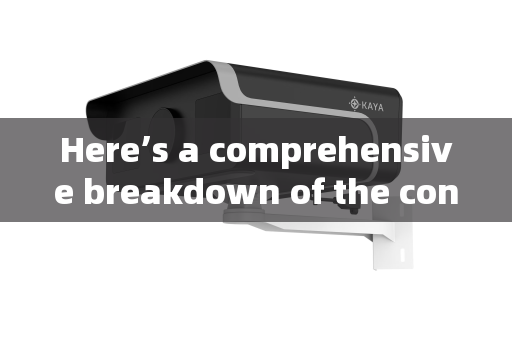
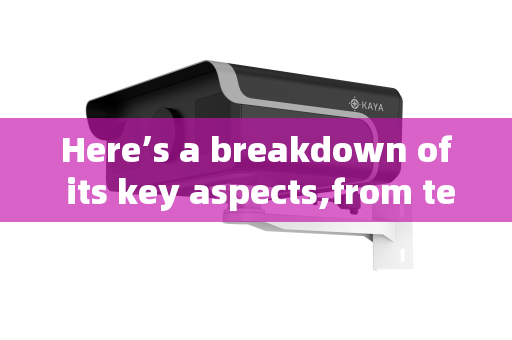
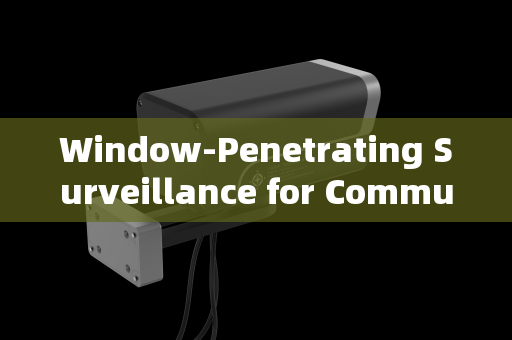
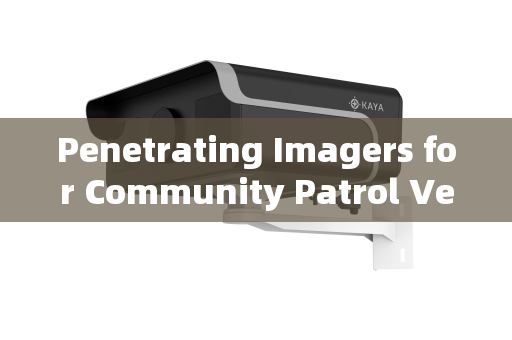
In the high-stakes domain of modern law enforcement and security operations, tactical advantage often hinges on the ability to gather critical intelligence swiftly, safely, and reliably. Mobile law enforcement vehicles, serving as agile command and surveillance platforms, are increasingly being equipped with cutting-edge technological tools to enhance their reconnaissance capabilities. Among these, the Penetration Imaging System (PIS) has emerged as a transformative asset, fundamentally altering how officers conduct surveillance and reconnaissance in challenging environments.
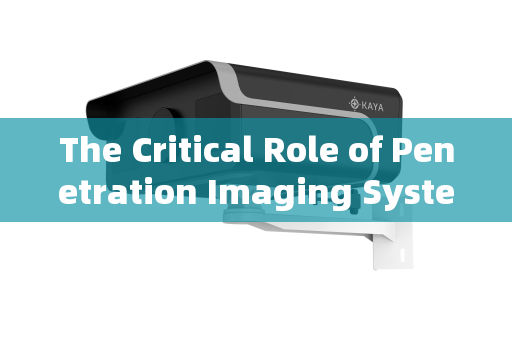
Penetration Imager Effect Images
Understanding Penetration Imaging Technology
At its core, a Penetration Imaging System is a sophisticated electro-optical system designed to "see through" visual obscurants and certain barriers that traditionally impede surveillance. It employs advanced Laser Range-Gated Imaging (LRG) technology, also known as gated imaging. This innovative approach synergistically combines a high-repetition-rate pulsed laser with a gated intensifier camera.
The system operates on a precise time-slicing principle. The pulsed laser illuminates the scene with extremely short, intense bursts of light. The gated camera, synchronized with nanosecond precision to these laser pulses, acts as an ultra-fast shutter. By controlling the time delay between the laser pulse and the camera's opening, the system selectively captures light reflected only from a specific, narrow "slice" of distance. By stacking these slices, it constructs a clear image. This method effectively eliminates backscatter from particles (like fog, smoke, or rain) close to the observer, which normally washes out conventional camera views, and allows for the detection of light reflected from the intended target.
Key Capabilities and Advantages for Mobile Reconnaissance
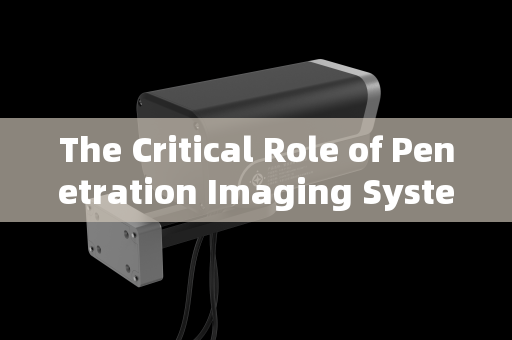
Penetration Imager Effect Images
The technical prowess of PIS translates into several decisive advantages for mobile law enforcement units:
-
Penetration of Visual Barriers: This is its defining feature. PIS can effectively "see through" various transparent and semi-transparent media. This includes vehicle windows, glass facades,特种玻璃 (specialty glass), train windows, and aircraft portholes, enabling officers to conduct discrete surveillance of interiors from a standoff distance. It also penetrates atmospheric obscurants like smoke, fog, haze, mist, rain, and light foliage.
-
Extended Range & High-Contrast Imaging in Low/No-Light: The system excels in extreme low-light or zero-illumination conditions. The intensifier provides significant optical gain, while the pulsed laser provides active illumination invisible to the naked eye. This allows for long-range reconnaissance during nighttime operations without revealing the officers' position.
-
Enhanced Safety and Situational Awareness: By allowing officers to gather intelligence from within the relative safety of their armored vehicle or from a considerable distance, PIS dramatically reduces the need for perilous close-quarters approaches. Officers can assess a suspect vehicle, a building's interior, or a barricaded subject before initiating contact, formulating a safer tactical plan.
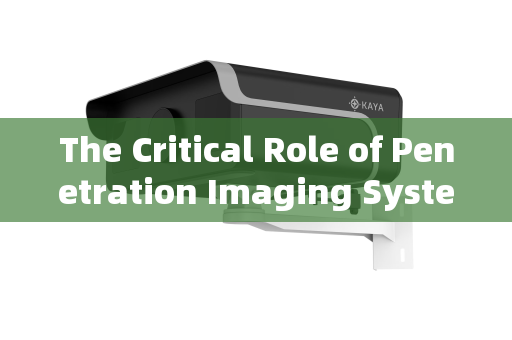
Penetration Imager Effect Images
-
Resistance to Interference: The gated imaging technology inherently suppresses glare from ambient lights (e.g., streetlights, headlights) and the blinding backscatter from adverse weather, ensuring reliable imaging capability when conventional and thermal cameras struggle.
Application Scenarios in Mobile Law Enforcement
The integration of PIS into mobile reconnaissance platforms unlocks capabilities across a wide spectrum of policing and security missions:
- Covert Surveillance and Tracking: Unmarked surveillance vehicles can discreetly monitor subjects inside buildings or other vehicles through windows, gathering evidence or tracking movements without alerting the target.
- Tactical Assault and Hostage Rescue (Counter-Terrorism): During siege or barricade situations, PIS-equipped vehicles can provide real-time intelligence on the number, positions, and armament of individuals inside a structure through windows, even if curtains are drawn or smoke is present, critical for planning a dynamic entry.
- Checkpoint Security and Vehicle Screening: At temporary checkpoints or border crossings, officers can scan approaching vehicles to detect concealed occupants, weapons, or contraband hidden behind tinted windows without requiring occupants to exit, improving both efficiency and officer safety.
- Crowd Monitoring and Riot Control: From a secure vehicle, operators can monitor crowd dynamics through smoke or tear gas, identify key agitators, and spot hidden threats or weapons.
- Search and Rescue Support: While primarily an应急 (emergency response) tool, PIS on law enforcement vehicles can assist in locating individuals trapped in smoke-filled buildings or vehicles following accidents before fire/rescue teams arrive.
- Maritime and Coastal Patrol: For agencies with maritime duties, PIS provides the ability for long-range fog-penetration imaging and glare suppression, essential for monitoring vessel activities, intercepting suspect boats, and conducting port security in poor visibility.
Integration into the Broader Ecosystem
The data from a vehicle-mounted PIS doesn't operate in isolation. It feeds directly into the Smart Police, Smart City, and Smart Security ecosystems. High-value imagery and real-time video can be streamed to command centers, fused with other sensor data (e.g., drones, ground units), and used for forensic analysis, creating a comprehensive operational picture for informed decision-making.
Conclusion
The Penetration Imaging System is far more than just another camera on a police vehicle. It is a force multiplier that grants law enforcement the critical ability to conduct reconnaissance against protected or obscured targets. By enabling "see-through" capability in darkness and through adverse conditions, it enhances officer safety, operational effectiveness, and tactical surprise. As threats evolve and operational environments become more complex, the role of PIS in mobile law enforcement vehicle reconnaissance will only grow more indispensable, solidifying its place as a cornerstone technology for modern, intelligence-driven policing and security operations.