Introduction
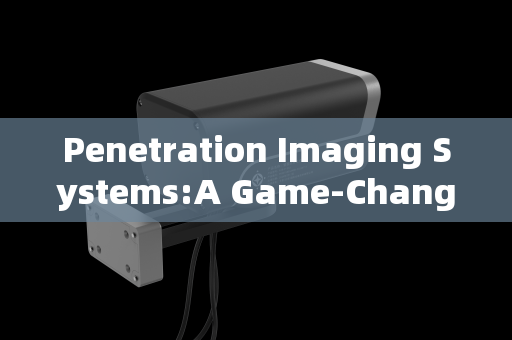
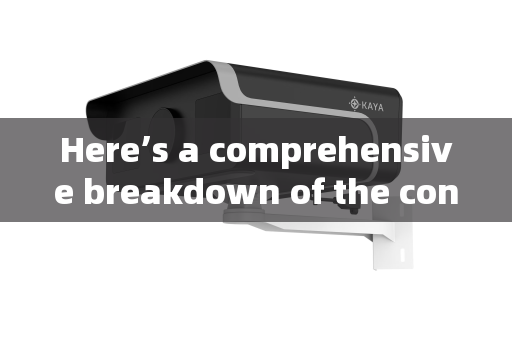
Penetration Imager Effect Images
In the high-stakes domains of law enforcement, border security, and counter-terrorism, the interception of high-risk vehicles represents a critical and perilous operation. The period immediately preceding physical engagement—the pre-inspection phase—is often the most vulnerable and information-poor. Traditional visual assessment or standard imaging tools fail against tinted windows, adverse weather, or deliberate concealment. This operational gap is where advanced Penetration Imaging Systems, leveraging state-of-the-art Laser Range-Gated Imaging (LRG) technology, are revolutionizing tactics by providing unprecedented situational awareness and threat detection capabilities before first contact.
Understanding Penetration Imaging: Core Technology and Capabilities
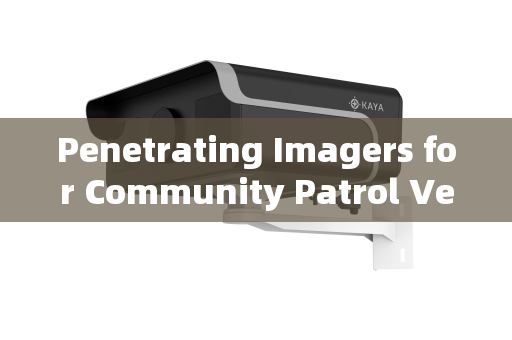
A Penetration Imaging System is a sophisticated electro-optical system designed for non-invasive surveillance and reconnaissance through visually obstructive barriers. Its core innovation lies in the precise integration of high-repetition-rate pulsed lasers and gated, intensified cameras.
The system operates on the principle of time-slicing. It emits powerful, ultra-short (nanosecond) pulses of laser light. A highly sensitive, gated image intensifier camera is synchronized with exquisite precision (with timing accuracy better than 10 picoseconds) to open its "shutter" only for the exact moment the laser light reflected from a specific, pre-selected distance slice returns. By systematically delaying this gate relative to the laser pulse, the system electronically "sweeps" through different range slices, building up a high-contrast, slice-by-stack image of the scene.
This Gated Imaging Technology confers several decisive advantages:
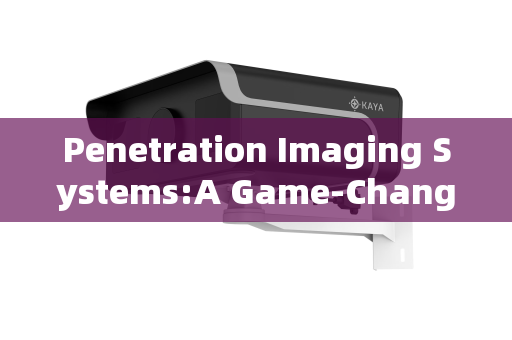
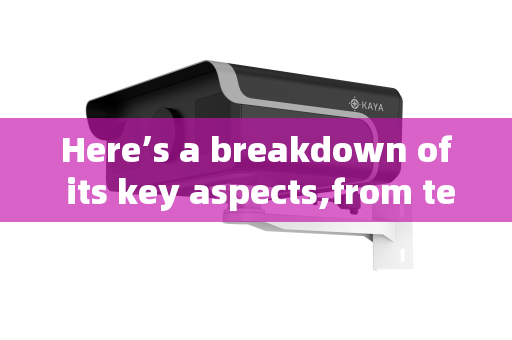
Penetration Imager Effect Images
- Superior Penetration: It effectively overcomes backscatter from particles (fog, smoke, dust, rain) and can see through various types of glass (vehicle windows, laminated glass, aircraft portholes, building facades) with minimal reflection interference.
- Extended Range & Resolution: It achieves long-distance imaging (hundreds of meters to kilometers) with high spatial and range resolution, functioning optimally in low-light or no-light conditions.
- Robust Performance: Its active illumination and gating make it highly resistant to environmental interference and counter-surveillance.
Key hardware components include a pulsed laser illuminator, a beam expander, imaging optics, and the crucial Gated Intensified Camera. This camera integrates a Microchannel Plate (MCP) image intensifier, capable of >10^6 optical gain, a high-voltage power supply, and precision timing/gating modules, enabling both 2D imaging and high-accuracy 3D data acquisition.
Pivotal Role in High-Risk Vehicle Interception Pre-Inspection
During the interception of a suspect vehicle—be it for counter-terrorism, major crime, or border narcotics interdiction—the pre-inspection phase is about gaining a decisive informational advantage. The penetration imaging system acts as a force multiplier in this phase.
Covert Threat Assessment and Personnel Counting: Officers can deploy the system from a safe, concealed stand-off distance. It can penetrate heavily tinted windows, sunstrips, and smoke or condensation inside the vehicle to accurately count occupants, assess their posture and potential armament, and identify any suspicious internal configurations (e.g., hidden compartments, obscured rear seats). This intelligence is critical for determining the threat level and planning the tactical approach, including the required force size and positioning.
Detection of Concealed Items and Hazards: The system can help identify large, irregular objects hidden under blankets or in footwells that may be weapons, explosives, or contraband. In scenarios involving hazardous materials transport or potential vehicle-borne IEDs, the ability to perform a preliminary visual assessment without approaching the vehicle is invaluable for formulating a containment and render-safe procedure.
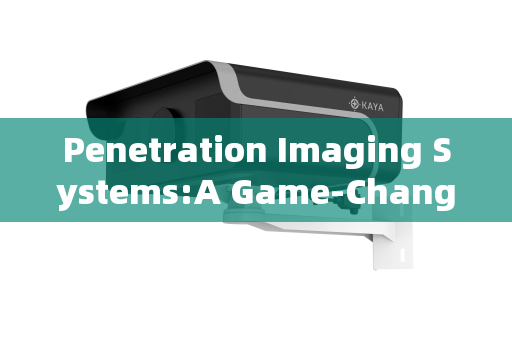
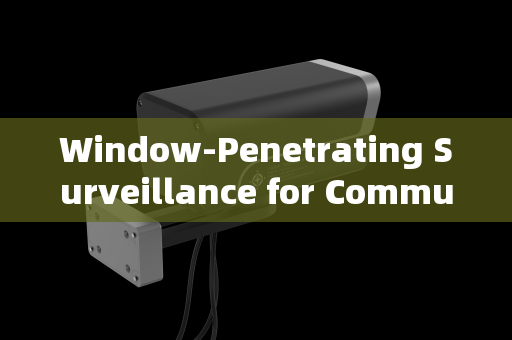
Penetration Imager Effect Images
Operating in Adverse Conditions: High-risk intercepts do not occur only in clear daylight. The system’s ability to see through obscurants like fog, haze, and moderate rain/snow ensures that pre-inspection operations can proceed in poor weather, denying adversaries the advantage of reduced visibility.
Evidence Gathering and Operational Validation: The imaging provides real-time visual intelligence that can be recorded and used for operational oversight, mission validation, and, where applicable, initial evidence of suspicious activity before the stop is even initiated.
Broad Application Spectrum Beyond Interception
The utility of this technology extends far beyond vehicle stops, underscoring its value for investment by agencies responsible for public safety and national security.
- Emergency & Rescue Services: In urban and wildland firefighting, it enables searchers to see through dense smoke to locate victims or identify structural hotspots. For mine, urban search and rescue (USAR), and maritime rescue, it can peer through water surfaces, debris, or non-metallic obstructions. It is also pivotal for high-fidelity live-fire training simulation systems in fire service training academies.
- Military, Law Enforcement & Security: Applications span counter-terrorism surveillance, covert reconnaissance, proof-of-life verification in hostage rescues, anti-smuggling operations (detecting stowaways or contraband), counter-UAV surveillance, and securing critical infrastructure like government buildings, airports, and energy facilities. It is integral to the development of Smart City and Intelligent Policing frameworks.
- Coastal & Border Defense: For naval operations and coast guard patrols, the system provides long-range fog-penetration imaging and glare suppression, aiding in navigation, ship identification, interdiction missions, and port security in challenging maritime conditions.
Conclusion
The integration of Penetration Imaging Systems into pre-inspection protocols for high-risk vehicle interception marks a paradigm shift in tactical operations. By delivering clear, actionable intelligence through barriers and in恶劣 conditions, these systems dramatically enhance officer safety, mission effectiveness, and operational precision. They transform the pre-engagement phase from a period of uncertainty and vulnerability into one of informed confidence and strategic control. As threats evolve and concealment tactics become more sophisticated, the ability to "see the unseen" is not merely an advantage—it is an essential capability for modern law enforcement, military, and security agencies worldwide, paving the way for safer and more effective interventions across the spectrum of security and emergency response operations.