In the high-stakes domain of VIP security supervision, the primary objective transcends mere protection; it demands the proactive acquisition of actionable intelligence and the maintenance of a decisive informational advantage. Threats are often obscured—concealed within vehicles, behind tinted windows, or shrouded by environmental conditions and deliberate counter-surveillance measures. Traditional optical and thermal imaging systems frequently reach their operational limits under such challenging scenarios. This is where advanced penetration imaging systems, specifically those utilizing Laser Range-Gated (LRG) imaging technology, emerge as a transformative force, redefining the capabilities of security details and surveillance operations.
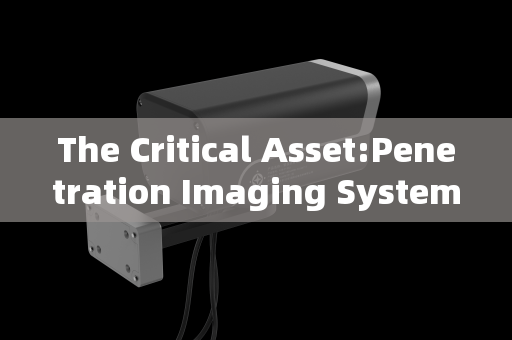
Penetration Imager Effect Images
Understanding the Core Technology: Laser Range-Gated Imaging
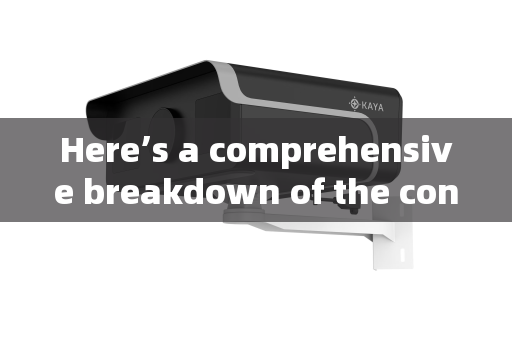
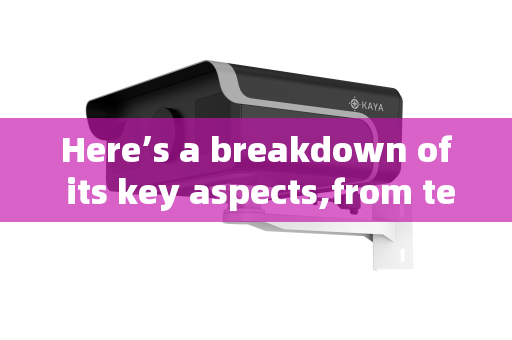
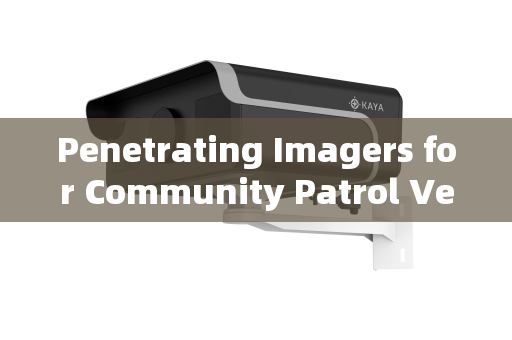
A penetration imaging system, as described, is not a simple camera. It is a sophisticated sensor fusion platform engineered to "see through" obscurants. Its core innovation lies in the precise synchronization of a high-repetition-rate pulsed laser and a gated, intensified camera.
The process functions as a form of "optical slicing" or "time-slicing" of space. The system emits an ultra-short, nanosecond-duration laser pulse. The camera's shutter, or "gate," remains closed, rejecting all ambient light and backscatter from particles close to the sensor (like fog, smoke, or glass glare). By electronically delaying the opening of this ultrafast gate (with precision better than 10 picoseconds) to coincide precisely with the return of the laser pulse from a specific, predetermined distance slice, the system selectively captures only the light reflected from that "slice" of the environment. By rapidly stacking these sequential slices, it constructs a high-contrast, high-resolution image of a target area while effectively eliminating the degrading effects of backscatter and interferences.
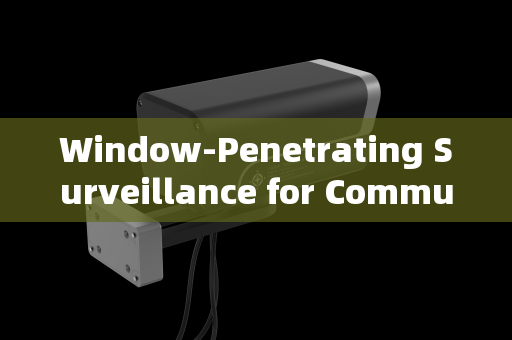
This technological prowess is enabled by key components: the pulsed laser illuminator, the gated intensifier camera housing a Microchannel Plate (MCP) for gain exceeding 10^6, high-voltage and precision timing modules, and specialized optics. The result is a system capable of operating in extreme low-light or total darkness, with long-range capability, high range resolution, and superior performance against adverse conditions.
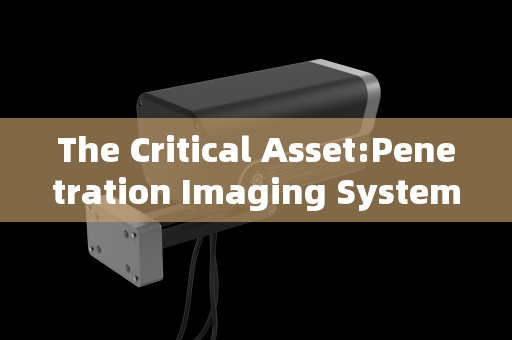
Penetration Imager Effect Images
Application in VIP Security Supervision: A Multilayered Shield
For VIP protection details, intelligence agencies, and critical infrastructure security teams, the capabilities of penetration imaging systems translate into several critical operational advantages:
-
Covert Vehicle Surveillance and Pre-Assessment: A paramount application is the long-range, non-invasive penetration of vehicular glazing. Whether it's the tinted windows of a suspect vehicle near a motorcade route, the windscreen of a car parked at a venue, or the specialized windows of aircraft and high-speed trains, these systems can passively detect occupants, identify potential threats (weapons, explosives), and assess intentions without alerting the subjects. This provides invaluable intelligence for route planning, venue security sweeps, and pre-emptive threat neutralization.
-
Overcoming Environmental and Delivered Obscurants: VIP movements cannot be halted by bad weather. LRG imaging maintains clarity through rain, snow, fog, haze, and smoke. In scenarios where adversaries might use smoke screens or operate in complex urban environments with particulate pollution, the system ensures continuous surveillance capability. Furthermore, its ability to mitigate backscatter makes it effective for seeing through flames, a feature potentially critical in emergency extraction scenarios from fire-affected areas.
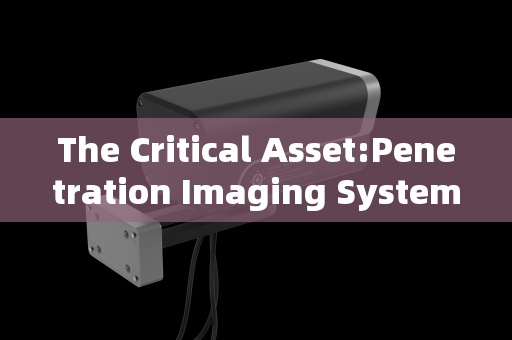
Penetration Imager Effect Images
-
Enhanced Long-Range, Wide-Area Monitoring: For securing perimeters of hotels, embassies, or event spaces, the system's long-range and high-contrast imaging allows for the detection and tracking of individuals or activities at distances where conventional night vision fails, especially in cluttered urban or natural landscapes. Its "slice" imaging can isolate a figure from background light pollution or dense foliage.
-
Counter-Surveillance and Forensic Investigation: The technology aids in detecting concealed observation posts or filming devices behind windows. Post-incident, it can be used for forensic scene analysis, potentially gathering evidence from behind glass or in optically challenged conditions that other sensors miss.
-
Integration into Broader Security Architectures: Penetration imaging feeds seamlessly into Smart City, Smart Security, and Smart Policing frameworks. As a sensor node, it provides unique data layers for command and control centers, enhancing situational awareness for protecting mobile VIP assets (motorcades) or static high-value targets (residences, corporate HQs).
Synergy with Tactical and Emergency Response
The system's utility in VIP security is bolstered by its proven role in adjacent high-pressure fields. Its use in tactical law enforcement for stand-off detection, barricaded suspect resolution, and anti-terrorism operations mirrors the needs of close protection teams. Similarly, its emergency response applications—in urban firefighting or special rescue—ensure that security personnel are equipped with a tool validated in the most hostile environments, where clarity of information can mean the difference between life and death.
Conclusion
In essence, the penetration imaging system moves VIP security supervision from a reactive posture to a proactively intelligent one. It acts as a force multiplier, peeling back layers of concealment—be it manufactured (glass, tints), environmental (weather, smoke), or situational (darkness, distance). By delivering clear, actionable visual intelligence in conditions that would blind other systems, it empowers security details to identify threats earlier, make more informed decisions, and ultimately, ensure a higher level of protection for their principals. As threats evolve in complexity and boldness, the adoption of such cutting-edge, physics-based imaging technology is no longer merely advantageous; it is becoming an indispensable component of a modern, comprehensive VIP security protocol.