Introduction
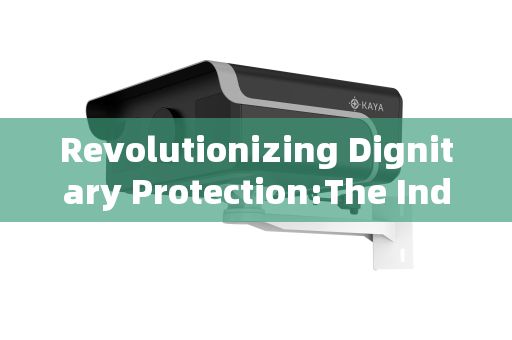
Penetration Imager Effect Images
In the high-stakes realm of dignitary security supervision, where threats are often obscured by environmental clutter, deliberate concealment, or the very protections meant to ensure safety, the ability to see the unseen is paramount. Modern security details operate in complex, dynamic environments where traditional surveillance and imaging technologies frequently reach their operational limits. This is where advanced penetration imaging systems, leveraging cutting-edge Laser Range-Gated (LRG) imaging technology, emerge as a transformative force. These systems are redefining the standards of proactive threat detection, reconnaissance, and situational awareness, providing security teams with a critical informational advantage.
Understanding Penetration Imaging Technology
At its core, a penetration imaging system is designed to acquire clear visual intelligence through obscurants and transparent barriers that would otherwise degrade or block conventional imaging. The system’s prowess stems from its sophisticated integration of a high-repetition-rate pulsed laser and a gated, intensified camera. The fundamental principle is time-slicing illumination.
The process is meticulously controlled: a powerful, ultra-short (nanosecond) laser pulse illuminates the scene. The gated camera, synchronized with pinpoint temporal accuracy (often better than 10 picoseconds), opens its shutter only for the precise moment when the light reflected from a specific, predetermined distance slice returns. By systematically delaying this gate relative to the laser pulse, the system electronically "slices" the scene into discrete range segments and stacks these slices to construct a clear image. This method provides exceptional range resolution.
The key advantages of this LRG approach are directly relevant to security operations:

Penetration Imager Effect Images
- Suppression of Back-Scatter: It effectively eliminates glare and scatter from intervening media like fog, smoke, rain, snow, or dust, which are major challenges for standard cameras and thermal imagers.
- Long-Range, High-Contrast Imaging: It enables target detection and identification at significantly extended ranges, even in extreme low-light or no-light conditions.
- "See-Through" Capability: It can penetrate various transparent and semi-transparent barriers with minimal distortion, including vehicle windows (standard, tinted, or specialized), building glass facades, train windows, and aircraft portholes.
- Covert Operation: The use of eye-safe, invisible laser wavelengths (often in the short-wave infrared spectrum) allows for discreet surveillance without alerting the target.
- 3D Data Acquisition: By analyzing the time-of-flight data, the system can generate accurate three-dimensional information about the scene, aiding in target profiling and assessment.
Critical Components for High Performance
The system's effectiveness is built upon specialized hardware:
- Pulsed Laser Illuminator: Provides high-power, short-duration pulses at a specific wavelength.
- Gated Intensified Camera: The heart of the system, featuring a Microchannel Plate (MCP) image intensifier capable of gains exceeding 10^6, coupled with a high-speed gating module capable of shutter speeds below 3 nanoseconds.
- Beam Expander & Imaging Lens: Shape the laser output and collect returning light efficiently.
- Precision Timing & Control Electronics: Ensure nanosecond-level synchronization between the laser and the camera gate, enabling precise range selection.
Application in Dignitary Security Supervision: A Multi-Domain Advantage
The operational value of penetration imaging systems in protecting high-profile individuals is profound and multifaceted.
Motorcade and Convoy Security: A principal’s vehicle is both a sanctuary and a potential trap. Penetration imaging systems mounted on lead, trail, or escort vehicles can:
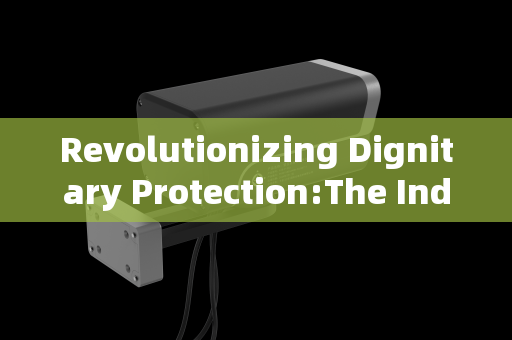
Penetration Imager Effect Images
- Conduct long-range, all-weather scans of the route ahead, identifying potential roadside threats (IEDs, suspicious objects, personnel) obscured by foliage, light fog, or smoke.
- "See through" the windows of other vehicles in traffic or parked along the route, assessing occupant behavior and identifying potential threats (weapons, suspicious activity) before the motorcade passes.
- Maintain clear driver vision and perimeter awareness during adverse weather conditions (heavy rain, snow, fog) that would blind standard vision systems.
Venue Security and Advance Work: Prior to a dignitary’s arrival at a venue, security teams must secure the environment. These systems enable:
- Long-Range, Covert Reconnaissance: Scanning buildings, windows, and balconies from a distant, secure position to detect sniper positions, suspicious observers, or unauthorized personnel without alerting them.
- Interior Screening from Exterior: Assessing room layouts, occupancy, and potential threats through windows or glass walls before entry teams deploy, providing invaluable tactical intelligence.
- Post-Blast or Fire Incident Response: In an emergency, the system can peer through smoke and debris to locate survivors, assess structural integrity, and identify hazards for rescue teams, indirectly supporting continuity of security operations.
Maritime and Border Protection for Visits: For dignitaries visiting via sea or in border regions, these systems enhance perimeter security.
- They provide long-range, all-weather surveillance of coastal approaches, ports, and waterways, capable of identifying small, fast-moving vessels (a potential threat vector) through mist, haze, or darkness.
- They can monitor ship decks, cabins, or port facilities through portholes and windows during inspections or secure transfers.
Counter-Surveillance and Forensic Investigation: These systems can be deployed to detect hostile surveillance devices that may be placed behind glass or in obscured locations. Furthermore, they can aid in post-incident forensic scene analysis, capturing details through environmental obstructions.
Integration into Modern Security Architectures
Penetration imaging is not a standalone tool but a force multiplier within a broader Smart Security, Smart City, or Smart Policing framework. It feeds critical, actionable intelligence into command and control centers. When integrated with AI-powered video analytics, facial recognition systems (where legally authorized), and other sensor data, it creates a comprehensive, layered security dome around the protectee. For law enforcement and protection agencies, it represents a shift from reactive security to proactive, intelligence-driven protection.
Conclusion
In the relentless pursuit of excellence in dignitary security, the penetration imaging system has evolved from a novel technology to an indispensable operational asset. By conquering the visual challenges posed by distance, darkness, weather, and common protective barriers, it grants security supervisors and operatives a decisive edge. It transforms uncertainty into clarity, allowing threats to be identified, assessed, and neutralized at a safer stand-off distance. As threats continue to evolve in complexity, the role of such advanced imaging systems in ensuring the safety of high-value individuals will only grow more central, setting a new benchmark for proactive, technology-enabled protection services worldwide.