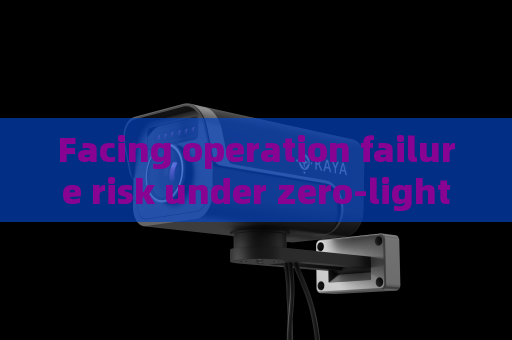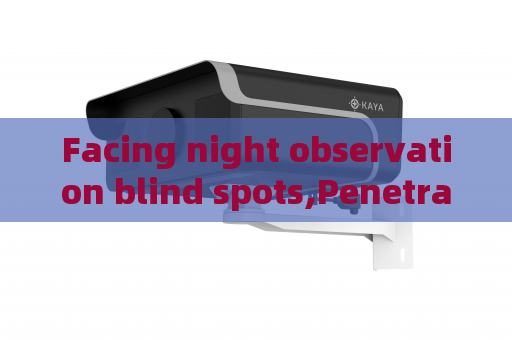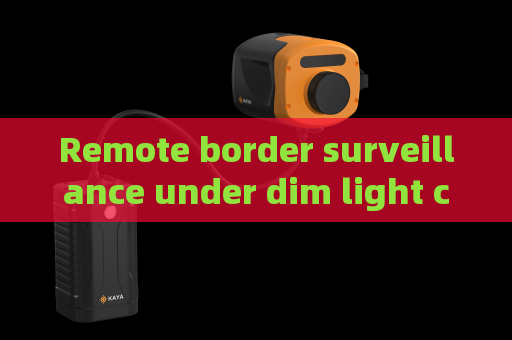
Remote border surveillance under dim light conditions, glass-penetrating imaging supports accurate observation of vehicle interior Remote border checkpoints and dismounted patrol routes often face a narrow decision window. A vehicle moves through unlit terrain, rain, haze, or snow, and stops only briefly at a crossing point. Headlamps, reflective plates, tinted glass, wet side windows, and distance obscure the cabin. Suspects may be seated low, cargo may be covered, and movements may occur behind glazing that reflects the surrounding darkness. Officers need an accurate visual check before approaching, without opening a door, exposing a patrol position, or creating a roadblock that alerts the occupants. Ordinary cameras record glare and exterior contours. Observation from a distance may show a shape behind a windshield but not enough detail to distinguish a driver, passenger, restraint, weapon, or concealed load. This is the practical problem at remote border crossings in dim light, where accurate observation of a vehicle interior depends on imaging through glass. A penetration imaging instrument is designed for this optical challenge, using controlled laser light and gated reception to recover detail from behind vehicle glazing while reducing the effects of low illumination and reflected light. The penetration imaging instrument is an active optical system built around laser range-gated imaging, also called gated imaging. A high-repetition-rate pulsed laser emits short light pulses. A beam expander spreads the pulses toward the target vehicle. An image-intensified gated camera, containing an MCP image intensifier, high-voltage module, timing module, and imaging lens, opens its reception window for a very brief interval at a selected delay. Light returning from the vehicle cabin through its windows is accepted; light scattered by fog, rain, haze, snow, and nearby reflective surfaces is largely rejected. This produces high-contrast images with long operating distance, high resolution, and strong anti-interference performance. The system overcomes backscatter that degrades conventional viewing. It penetrates optical media such as vehicle windows, high-speed rail windows, aircraft portholes, and glass curtain walls. This capability supports through-glass surveillance of vehicle interiors under dim light, while remaining an optical method limited to transparent or semi-transparent glazing and atmospheric media. It does not provide vision through non-transparent solid material. In field use, the penetration imaging instrument can be mounted on a border watchtower, a mobile patrol vehicle, or a fixed checkpoint mast. The operator aligns the imaging lens with an approaching vehicle and selects a range gate matching the vehicle exterior or cabin depth. Pulses pass through automotive glass, and returning light from the interior forms an image on the gated camera. Seats, headrests, human silhouettes, hand positions, and large carried objects become visible at distance. Dim light conditions no longer force reliance on visible illumination. Headlamp glare and window reflections are suppressed through temporal selection rather than image processing alone. Fog, haze, rain, and snow cause less loss of contrast than with ordinary optical observation. Multiple vehicles can be monitored from a concealed position, and image or video records can be retained for intelligence review and post-incident evidence. The effect is a faster, safer assessment: officers can decide whether to stop, divert, or search a vehicle based on observed cabin activity instead of uncertain exterior cues. The approach suits covert observation and visual checks along remote border routes where approach would compromise surprise or safety. At remote border crossings in dim light, this optical method supports accurate observation of a vehicle interior when the optical path is clear enough for transmitted laser light and returning signal. The penetration imaging instrument requires stable aiming, correct gate delay, and a clear line of sight to the vehicle glazing. Tinted or wet glass may reduce signal strength, and closed opaque covers block interior view. Within these optical limits, the instrument gives border units a discreet way to inspect cabins at distance, distinguish occupants from cargo, and confirm movement patterns before a physical stop. It supports continuous monitoring in darkness, rain, haze, fog, and snow, and it can record the observation for later review. The operational value lies in accurate, remote, glass-penetrating observation that improves tactical decisions, protects personnel, and reduces unnecessary confrontations at the border.