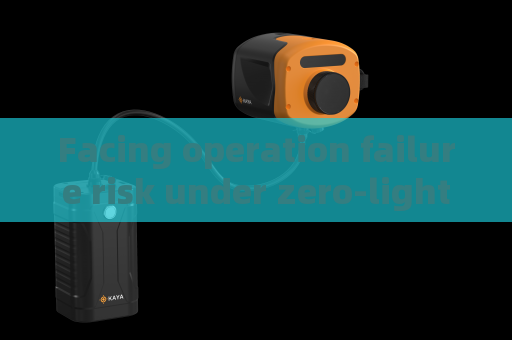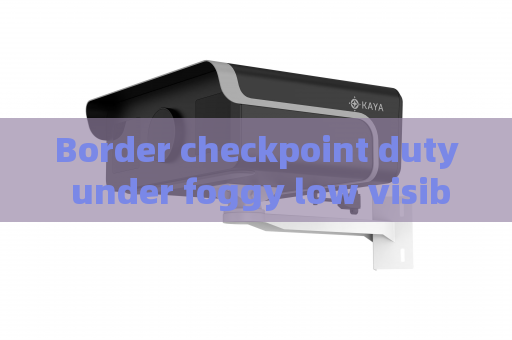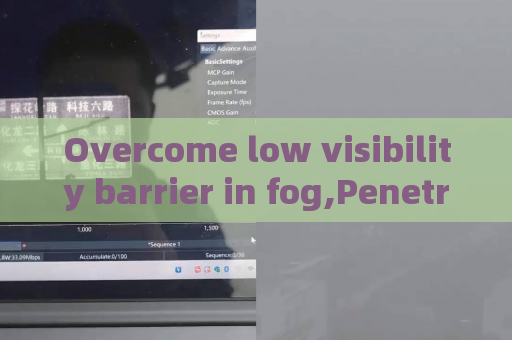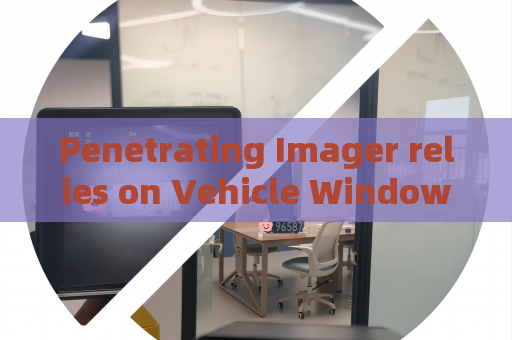
Penetrating Imager relies on Vehicle Window Penetration, supports urban night law enforcement for hidden target monitoring At night in dense urban areas, police teams face a persistent tactical problem: a vehicle may contain a concealed suspect, weapon, abducted person, or contraband, yet the cabin remains visually sealed by tinted glass, reflective coatings, streetlight glare, and deep shadow. Approaching a stopped or moving car without knowing who or what is inside creates serious officer-safety risk. Opening a door, tapping a window, or shining a bright flashlight can alert the occupants, trigger flight, or escalate a confrontation. Traditional night vision and visible-light observation often fail because reflections from glass and ambient lighting obscure interior details. The Penetrating Imager addresses this exact gap by turning a vehicle window into a usable optical surface for covert observation rather than an opaque shield. The operational need is not a general search tool; it is a rapid, quiet way to confirm occupancy, count persons, observe posture, and detect visible threats before a stop, cordon, or tactical approach. The relevant capability is the instrument’s laser range-gated imaging, also called gated imaging. The Penetrating Imager is an active optical system. A high-repetition-rate pulse laser sends short, controlled light pulses toward the target vehicle. An image-intensified gated camera, built with a microchannel plate image intensifier, high-voltage module, timing module, beam expander, and imaging lens, opens its shutter for a very brief window. This timing selects light returning from the chosen depth, so the system collects the useful signal from inside or behind the vehicle glazing while rejecting much of the backscatter, glare, and ambient light that normally wash out a night image. The result is high-contrast, high-resolution imaging with long operating distance, strong anti-interference performance, and effective backscatter suppression. Its penetration is limited to optical media, and vehicle window glass is a primary example. The law enforcement value in this scenario is concentrated on automotive glass. Rain, fog, haze, snow, and strong light sources are handled as optical interference, allowing the system to keep a usable image when ordinary cameras struggle. In field use, a patrol unit or surveillance team can position at an oblique angle to a suspect vehicle, avoiding a direct line that might reveal the observation. The operator aims the imager at the window and monitors the cabin in real time. The gated image can reveal seated occupants, head and shoulder silhouettes, hand movement, and objects held near the body, even when the interior is dark and the exterior is lit by sodium lamps, LED signage, or passing headlights. This through-glass surveillance supports quick tactical decisions: whether the vehicle is occupied, how many people are inside, whether someone appears to be hiding, and whether a visible weapon or restraint is present. Video or still capture can document the observation for briefings and later review. The method avoids tapping the glass, opening a door, or flooding the cabin with visible light, reducing the chance of alerting hidden targets. It also allows a stop plan to be adjusted before officers leave cover, with units assigned to different exits and approaches based on observed positions. The same night operation may involve multiple vehicles, rain-slicked streets, and crowded curbside environments. A Penetrating Imager can be mounted on a patrol vehicle or used from a concealed fixed point to monitor a target car as it parks, waits, or moves slowly through traffic. The active gated imaging keeps attention on the chosen window plane and suppresses much of the glare that defeats conventional optics. The system does not penetrate opaque solid barriers or replace lawful search procedures, and it does not rely on non-optical detection methods. Its role is narrow and practical: optical observation through vehicle glazing when darkness and reflections hide the cabin. For urban night law enforcement, that narrow role can be decisive. Hidden target monitoring becomes faster, quieter, and safer when the vehicle window is no longer a blind spot.