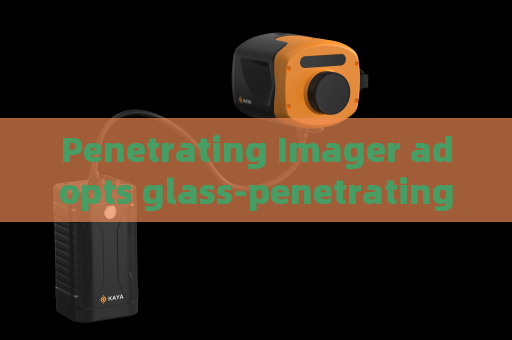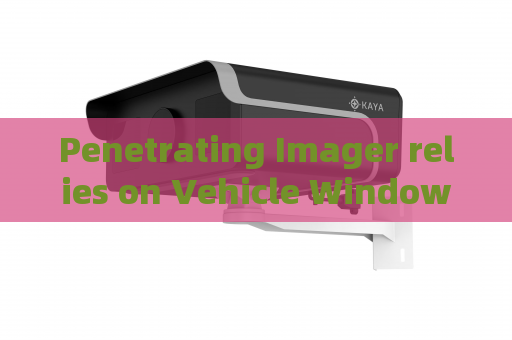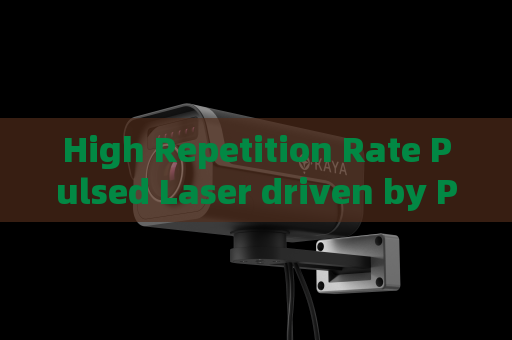
Portable Penetrating Imager fits individual tactical gear for rapid field deployment to search trapped persons in mountain disaster After a mountain disaster, roads, cable lines, and access tracks are cut by debris, snow, and rockfall. Rescue teams moving on foot face a compressed search window, often in darkness, fog, rain, or blowing snow. Vehicles in a stranded convoy, cable car cabins, and mountain shelter windows may hold trapped persons, yet direct visual inspection is blocked by tinted glass, reflections, condensation, and weather. Calling out or tapping glass is slow and may miss unconscious or immobilized casualties. Breaking windows or forcing doors consumes time, creates safety hazards, and can damage shelter. The core problem is rapid, reliable visual confirmation of life behind optical barriers before rescue resources are committed. A Portable Penetrating Imager offers a lightweight, active optical tool for close-range tactical search without entering or breaching the enclosure. The delay in confirming a live casualty can redirect scarce rescue teams away from the correct vehicle or cabin. The relevant function is laser range-gated imaging, also called gated imaging. The imager is an active optical system. A high-repetition-rate pulsed laser illuminates the scene; an image-intensified gated camera with an MCP image intensifier, high-voltage module, timing module, beam expander, and imaging lens opens its shutter for a very short interval matched to the return pulse from a selected distance. This timing suppresses backscatter from fog, rain, snow, haze, and glare while preserving high-contrast return from the target plane. Because the system works in the optical band, it can penetrate optical media such as vehicle window glass, cable car glazing, aircraft-style portholes, and glass curtain walls. Fog Penetration Imaging is therefore useful when mountain weather degrades ordinary optics. The instrument produces clear visual images through glass and atmospheric scatter, allowing concealed subjects to be seen as human silhouettes, posture, and movement. Its long range, high resolution, anti-interference capability, and backscatter suppression support rapid field deployment when seconds matter. This makes the image readable even when a bright headlamp or vehicle light creates severe glare. In the mountain disaster search, the device is carried as part of individual tactical gear. A chest rig or helmet mount keeps the imager ready while the searcher moves through a debris-lined road, avalanche runout, or stalled cableway station. The search pattern is simple: pause at each vehicle, cable car cabin, or glass-fronted shelter, aim through the window, and observe for a few seconds. Gated imaging cuts through reflections on tinted glass, rain streaks, and snow glare. Human outlines, raised hands, reflective rescue blankets, or slow motion become visible against the interior background. This supports a rapid triage decision: mark the location, report the number and condition of trapped persons, and call for extraction or medical support. It also reduces the need to break glass immediately, preserving shelter and avoiding injury from shattered glazing or sudden exposure. Teams can clear a long vehicle queue or a line of cable car cabins in less time than manual entry would require, while keeping eyes on the target. Voice contact may be impossible through sealed glazing, and interior passengers may be weak, hypothermic, or unable to respond. For a Portable Penetrating Imager in this role, the limiting factor is often not detection range but search speed across multiple glass enclosures. The compact active optical unit can be mounted on a helmet or chest harness, adjusted for close and medium distance, and used to check a car window at a few meters or a cable car cabin farther away. In fog, snow, or rain, laser return remains strong enough for a stable image while weather backscatter is rejected. The operational value is a fast visual check through glazing before committing rope, cutting, or medical teams. Where glass remains clear enough, the imager can confirm the presence, approximate number, and basic posture of trapped persons, allowing rescuers to prioritize the most urgent locations. A brief sweep can be repeated along a convoy, a cableway line, or a shelter row without opening doors or breaching glazing. This is the practical contribution of a Portable Penetrating Imager: rapid field deployment with individual tactical gear, focused on optical barriers in a mountain disaster search.