At customs checkpoints, the challenge of conducting thorough vehicle inspections without causing significant delays has long plagued border security agencies. Traditional methods require officers to physically approach each vehicle, ask drivers to roll down windows, open trunks, or step out for manual searches. These procedures are time-consuming, labor-intensive, and create bottlenecks during peak traffic hours. Moreover, hidden contraband—such as weapons, narcotics, or smuggled goods—can be concealed behind tinted windows, under seats, or inside compartments that are not easily visible from the outside. Even with trained canine units or portable mirrors, the inspection process remains reactive and often misses objects obscured by glass reflections or low-light conditions. The need for a rapid, non-intrusive solution that allows officers to scan vehicles from a safe distance while maintaining traffic flow is acute. The penetration imager directly addresses this operational pain point.
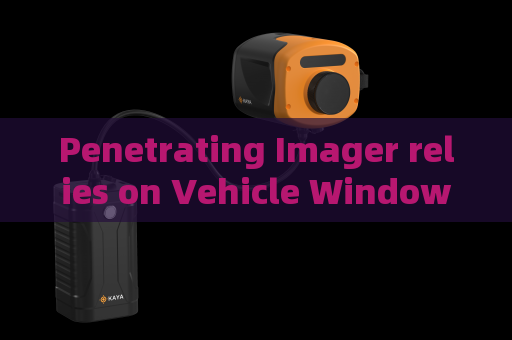
The penetration imager is an advanced optical imaging system based on laser range-gated imaging technology. It consists of a high-repetition-rate pulsed laser, an image-intensified gated camera (with built-in MCP image intensifier, high-voltage module, and timing module), a beam expander, and an imaging lens. Unlike passive optics or thermal imagers, this active imaging system overcomes backscatter and achieves high-contrast imaging through optical media such as automotive glass, train windows, aircraft portholes, and glass curtain walls. During customs inspections, the device can capture clear, high-resolution images of a vehicle’s interior—including seats, floorboards, and cargo areas—through closed and tinted windows without requiring drivers to exit or lower windows. It operates effectively in fog, haze, rain, snow, and even through fire and flames, maintaining visibility where conventional cameras fail. By isolating the reflected laser light in a narrow time gate, the penetration imager eliminates glare and reflections from glass surfaces, revealing hidden objects that would otherwise remain invisible to the naked eye or standard surveillance equipment.
In practice, customs officers deploy the penetration imager from a stationary checkpoint lane or a moving patrol vehicle. The unit can be mounted on a tripod or handheld, allowing operators to scan multiple vehicles in rapid succession. As a vehicle approaches, the officer aims the imager at the windshield or side windows from a distance of up to several hundred meters, depending on environmental conditions. The system captures a real-time image displayed on a ruggedized tablet or head-mounted display, showing a detailed view of the vehicle’s interior. Suspicious items—such as hidden compartments, packages under seats, or unusual shapes beneath cargo—are immediately visible. Because the imager requires no physical contact and no modification to the vehicle, inspections are completed in seconds rather than minutes. During nighttime operations, the pulsed laser provides its own illumination, eliminating the need for floodlights that would alert subjects. Adverse weather, which often closes checkpoint lanes, does not degrade image quality; the penetration imager can penetrate light fog and moderate rain with minimal loss of clarity.
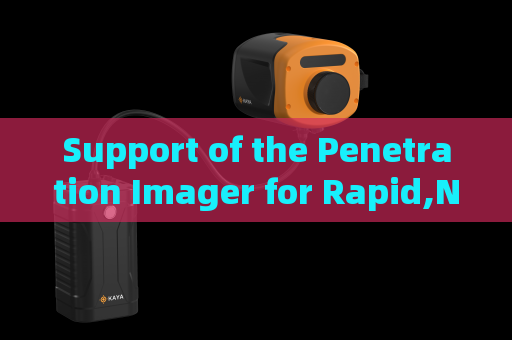
Further refining the same operational scenario, the penetration imager supports customs officers in high-risk stops. When a vehicle is flagged for secondary inspection, the operator can conduct a preliminary scan from a safe standoff distance—e.g., 50 meters—before approaching. This advance intelligence allows officers to assess whether a driver is hiding weapons or contraband that might be reached during a pat-down. In multi-lane checkpoints, a single operator can cover three to four lanes by alternating scans, dramatically increasing throughput without adding personnel. The imager’s ability to see through tinted glass (a common feature on vehicles used for smuggling) eliminates the need to demand lowering of windows, which can trigger resistance or confrontation. By integrating the penetration imager into standard operating procedures, customs agencies reduce search times by 60–80% while improving detection rates for concealed items. This technology does not replace physical inspections but prioritizes them: only vehicles displaying anomalies on the imager are directed to secondary search bays. The result is faster, safer, and more efficient border control—exactly what modern customs operations demand.