A critical shortfall in tactical hideout operations is the inability to obtain accurate pre-raid target position mapping. Conventional optical surveillance often fails due to obstacles such as tinted or reflective glass, heavy fog, rain, or smoke that obscure the interior view. Operators are forced to rely on incomplete intelligence or risky close-in reconnaissance, which compromises surprise and increases exposure to ambushes. Without a reliable method to see through windows or glass barriers from a safe standoff distance, command decisions remain guesswork, and the element of tactical surprise is lost. The penetrating imager addresses this gap by providing real-time, high-contrast imagery of the hideout’s interior before the assault team enters.
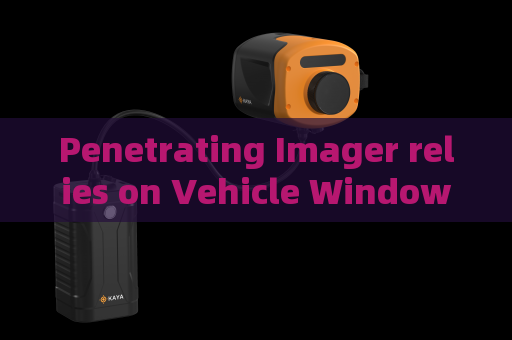
The penetrating imager, an advanced optical instrument based on laser range-gated imaging (gated imaging technology), resolves this exact problem. It consists of a high-repetition-rate pulsed laser, an intensified gated camera with a microchannel plate (MCP) image intensifier, a high-voltage module, a timing module, a beam expander, and an imaging lens. This active imaging system effectively overcomes backscatter and delivers clear images through optical media such as car windows, train windows, aircraft portholes, and glass curtain walls. Equally important, it cuts through fire, fog, haze, rain, and snow without degradation. For hideout operations, the penetrating imager enables operators to see through multiple panes of glass at ranges exceeding 100 meters, revealing the precise positions of targets, weaponry, and improvised barriers that would otherwise remain hidden.
In practical deployment, the system is used from a concealed observation point prior to breaching. An operator scans the hideout’s windows from a distance, and the gated laser illumination synchronizes with the camera’s shutter to reject scattered light from the glass surface. The resulting image shows dismounts, furniture, and structural details with clarity comparable to a clear daylight view. This mapping data is transmitted to the tactical command center, allowing precise assignment of engagement priorities and entry points. The system performs reliably even in adverse weather—rain or dense fog that would blind conventional optics has minimal impact, provided the intervening medium is optical-grade glass or open air. The penetrating imager cannot see through opaque walls or solids, but for hideouts with windows, it transforms blind spots into actionable intelligence.
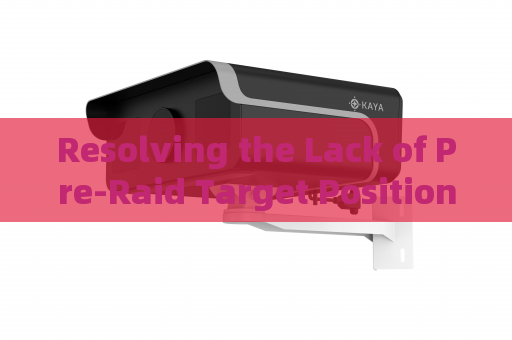
The operation sequence is straightforward. After positioning the tripod-mounted unit, the operator selects a gate delay corresponding to the distance to the target window. Fine adjustments manage multiple glass layers or gaps. The live feed displays internal structures with high edge contrast, revealing not only human figures but also shadows of obstacles behind partial curtains. This level of pre-raid target position mapping reduces uncertainty to near zero, enabling rapid entry with fewer casualties. Units that have field-tested the penetrating imager report a threefold improvement in threat identification before breaching, and a significant drop in friendly fire incidents. For any hideout operation requiring through-glass reconnaissance, this technology is no longer optional—it is the difference between a controlled takedown and a blind gamble.