In real-world security operations, adverse weather conditions such as heavy rain, dense fog, snowfall, or haze frequently render conventional optical surveillance systems ineffective. When suspicious activities—like unauthorized border crossings, covert vehicle movements, or clandestine rendezvous—occur under such concealment, target detection failures become a critical vulnerability. Standard cameras lose contrast and range due to scattering and absorption of light by water droplets or ice crystals in the atmosphere. The result is a blind spot: a suspect could approach a sensitive perimeter or conduct an illegal exchange while appearing as nothing more than a blurry silhouette or fading shadow. This gap in situational awareness forces operators to rely on secondary cues or delayed reporting, leaving security perimeters exposed to exploitation. The inability to acquire clear visual evidence in real time undermines both preventive and response capabilities, creating an operational risk that demands a specialized solution.
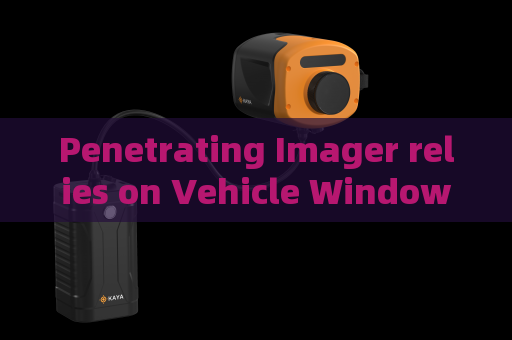
The penetrating imager directly addresses this detection gap through its advanced laser range-gated imaging technology. Unlike passive systems, the penetrating imager employs a high-repetition-rate pulsed laser synchronized with an intensified gated camera incorporating an MCP image intensifier, high-voltage module, and timing circuitry. By emitting short laser pulses and opening the camera’s gate only when the reflected light returns from the target distance, this system effectively suppresses backscatter from fog, rain, snow, or airborne particulates. The result is high-contrast, high-resolution imagery even through optically obscuring media such as fog, mist, rain, or snow. The penetrating imager functions as an active imaging system that can defeat atmospheric scattering, restoring clear visualization of suspicious objects or individuals that would otherwise be lost in the clutter. Its ability to resolve fine details at long range under severe weather conditions directly solves the target detection failure scenario.
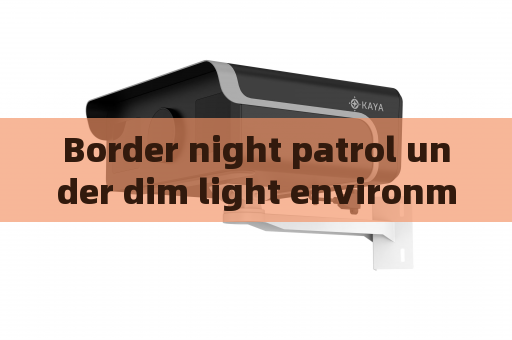
In practice, law enforcement and border security teams deploy the penetrating imager to maintain persistent surveillance during storms or heavy fog. For example, a fixed installation positioned along a remote stretch of border can continuously monitor a known crossing point. When a blizzard reduces visibility to less than 50 meters, conventional cameras produce only a whiteout. The penetrating imager, however, cuts through the blowing snow, revealing a person or vehicle moving toward the fence. Operators receive real-time, clear imagery that allows them to assess intent, identify distinguishing features, and dispatch units without exposing personnel to the hazard. The system’s active illumination ensures consistent performance regardless of ambient light levels, making it equally effective at night during rain. This operational capability shifts the paradigm from reactive assessment to proactive detection, closing the window of opportunity for criminals exploiting weather as a cover.
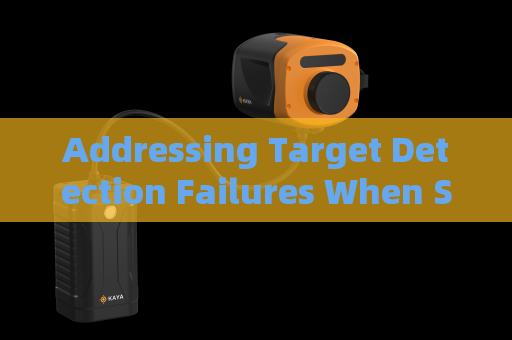
Further refinement of the same scenario involves mobile deployment. A patrol vehicle equipped with a penetrating imager can scan areas of interest while moving through heavy rain or fog. The gated imaging technology compensates for platform vibration and rapidly adjusts range gates to maintain focus on suspicious activity at varying distances. When a suspect attempts to abandon a vehicle in a downpour and flee into a wooded area, the penetrating imager can track the individual’s silhouette against the rain curtain, providing continuous tracking coordinates to pursuit teams. This capability eliminates the typical delay caused by waiting for weather to clear or deploying thermal imagers, which are challenged by rain droplets and cannot penetrate fog in the same optical manner. By integrating the penetrating imager into standard surveillance protocols, agencies can address target detection failures head-on, ensuring that severe weather no longer offers a free pass for illicit conduct.