In law enforcement operations, the pursuit of fugitives often encounters critical setbacks when severe weather strikes. Dense fog, heavy rain, snowfall, or thick haze can drastically reduce visibility, making it impossible for traditional optical surveillance tools—such as standard binoculars or conventional cameras—to maintain a clear line of sight. Even when a fugitive is known to be inside a vehicle or taking cover behind glass barriers, rain-streaked windshields and fogged windows further distort the image, causing the target to blur or disappear entirely at distance. This creates a dangerous gap in situational awareness, allowing the fugitive to change direction or conceal movements while officers remain blind to the evolving threat. The core challenge lies in the fact that atmospheric scattering and water droplets in severe weather do not simply dim the image; they actively generate backscatter that overwhelms the sensor, turning any attempt at continuous tracking into a frustrating exercise of intermittent, unreliable snapshots.
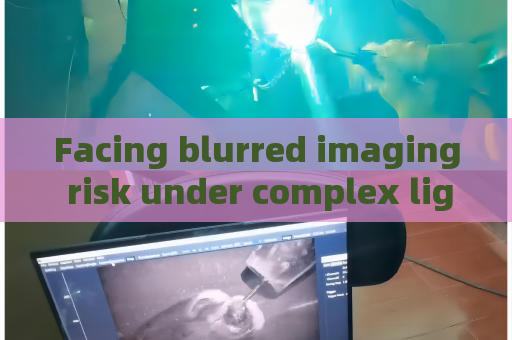
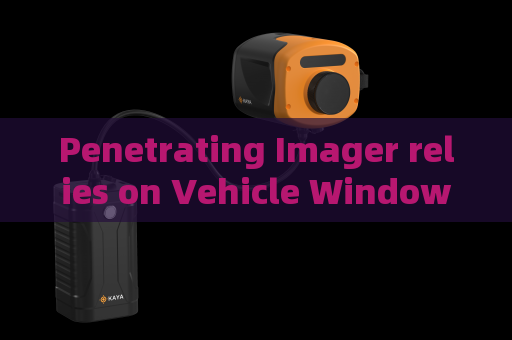
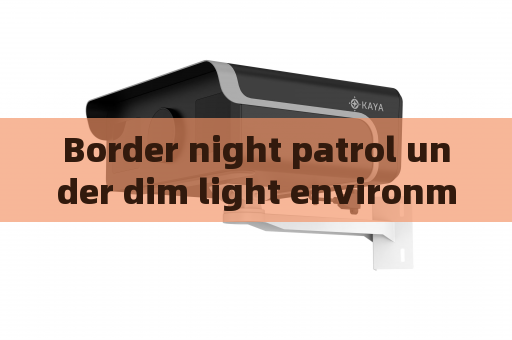
The Penetration Imager addresses this precise operational pain point through its laser range-gated imaging technology. As an active imaging system, it emits high-repetition-rate pulsed laser light that is synchronized with a gated intensified camera. The key is time-domain filtering: by precisely timing the camera’s shutter to open only when the laser pulse reflected from the target returns, the imager effectively rejects the overwhelming backscatter from fog, rain, snow, or smoke particles in the intervening space. This capability allows the system to see through optical media such as vehicle windshield glass, aircraft canopies, or building glass curtain walls, even when those surfaces are coated with water or condensation. The Penetration Imager does not rely on heat signatures or radiation; it operates purely in the optical domain, generating high-contrast, long-range images that remain stable and recognizable in downpours or dense mist where conventional optics would fail entirely.
In practical field deployment, a pursuit team can mount the Penetration Imager on a patrol vehicle or use it in a handheld configuration from an observation post. The operator simply aims at the fugitive’s last known position—such as a car fleeing through a rainstorm—and the system’s gated view instantly cuts through the visual clutter. The image on the display shows the fugitive’s silhouette and vehicle outline with clarity that would otherwise require the weather to clear. This uninterrupted tracking means the operator can follow the target’s every lane change, turn, or stop without losing visual contact, even when the windshield is covered by sheets of rain. The Penetration Imager’s resistance to backscatter also eliminates the “white wall” phenomenon that plagues standard illuminators in fog, ensuring that the fugitive remains visible at distances exceeding those of conventional night vision or thermal imagers in such conditions.
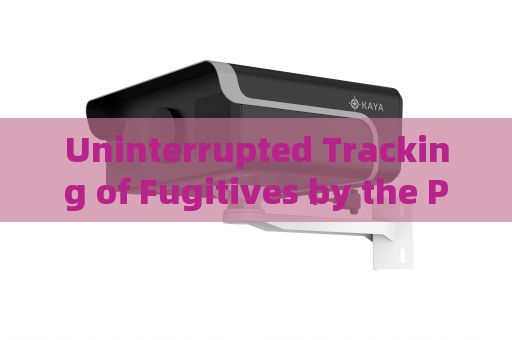
For the officer coordinating the interdiction, this continuous visual feed transforms the tactical picture. Instead of relying on intermittent radio updates or guesswork based on tire tracks, the command center receives real-time, clear imagery of the fugitive’s actions. The Penetration Imager’s laser-range-gated design also provides inherent immunity to countermeasures such as blinding lights or windshield reflections, because the gating mechanism rejects any light that arrives outside the expected time window. The result is a reliable, all-weather surveillance tool that maintains a permanent lock on the target from the moment of initial contact until the moment of apprehension. By solving the fundamental problem of atmospheric scatter and glass interference, the Penetration Imager ensures that severe weather becomes an inconvenience rather than a reason to abort the pursuit.