In ultra-long-range covert reconnaissance, the primary challenge is maintaining concealment while gathering actionable intelligence. Conventional optical systems, such as high‑magnification spotting scopes or telephoto cameras, often produce noticeable lens glint or reflection, especially under low‑angle sunlight. This optical signature can betray the observer's position to a vigilant suspect. Additionally, atmospheric haze, rain, or fog further degrade image quality at extreme distances, forcing operators to move closer and increase the risk of detection. The core pain point is clear: any visible light emission, reflective glare, or compromised imaging capability directly threatens the mission’s secrecy and the safety of the reconnaissance team. A solution must not only see through environmental obstacles but also operate without leaving any optical footprint that might alert a target.
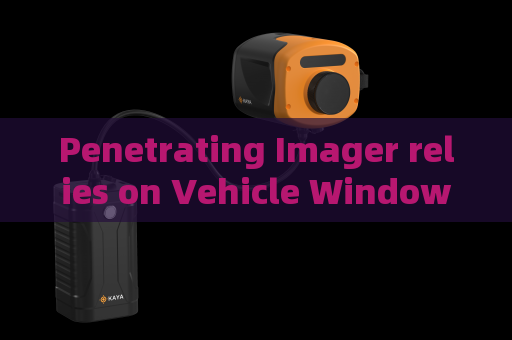
The Penetration Imager addresses this exact scenario through its laser range‑gated imaging technology. Unlike passive daytime optics or thermal imagers, the Penetration Imager actively emits a high‑repetition‑rate pulsed laser that is completely invisible to the naked eye. The system’s intensified gated camera, built around an MCP image intensifier and precise timing module, only opens its shutter to receive photons reflected from a specific distance. This gating mechanism eliminates backscatter from rain, fog, or intervening glass, producing a crisp image of the target while leaving no visible flash or sustained illumination. Because the laser pulse is far shorter than the eye’s perception threshold, and the imaging wavelength is typically near‑infrared, there is zero risk of a suspect detecting the illumination source. The Penetration Imager effectively overcomes the dilemma of needing high‑contrast imagery at ultra‑long range without broadcasting the observer’s location.
In practical field operations, the Penetration Imager enables a covert observer to position at a stand‑off distance of several kilometers—well beyond the suspect’s effective visual range—and still obtain detailed intelligence. For instance, when monitoring a vehicle parked in an open lot, the operator can aim the device through the windshield. The laser pulse passes cleanly through the automotive glass, reflects off the interior surfaces, and returns to the gated camera. The resulting image reveals the number and activity of occupants, any objects on seats, or even written documents on the dashboard. All of this happens without any tell‑tale glow or reflection that would alert the suspects. The system’s high resolution and contrast allow identification of subtle movements, such as a hand reaching for a hidden compartment, at distances where binoculars would show only a blurred outline.
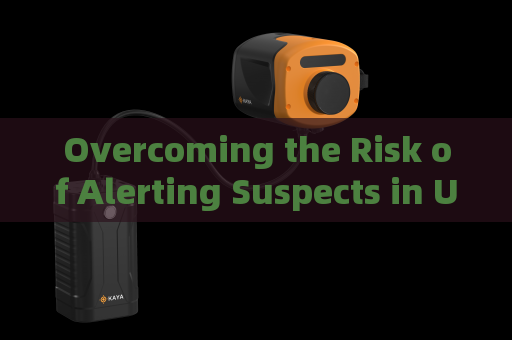
Beyond the basic capability, the Penetration Imager excels under adverse conditions that traditionally force reconnaissance to abort. Dense fog, moderate rain, or light snow scatter visible light heavily, but the range‑gated reception cuts through these particles with minimal signal loss. During nighttime operations, the device’s active illumination is indistinguishable from ambient darkness, preserving the element of surprise. Moreover, the system can be mounted on a stabilized tripod or integrated into an unmanned ground vehicle for protracted surveillance without operator fatigue. The combination of extreme range, optical media penetration, and zero visible signature makes the Penetration Imager an indispensable tool for any unit conducting ultra‑long‑range covert reconnaissance where alerting the suspect is not an option.